The hard part of a children’s birthday is not the cake. It is the two hours between opening the presents and eating it, when ten kids are loose in the house and nobody knows what to do with them.
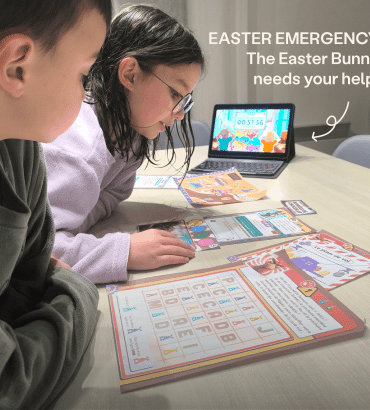
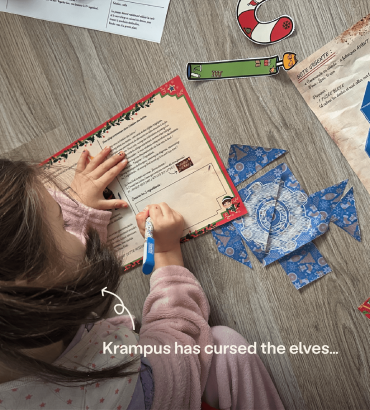
A printable escape room fills that gap with a story the children push forward themselves. You download a PDF, print it, hide a few envelopes, and they play for an hour without an adult having to run the whole thing.
On this page: which kit suits which age, how the afternoon runs, what to prepare, and the mistakes that end a party early.
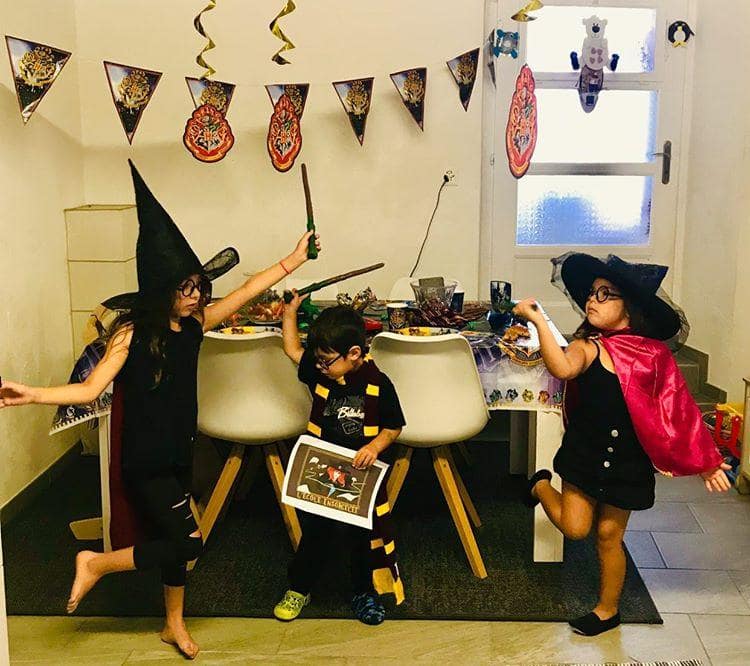
What a birthday escape room actually is
A story in envelopes. Each envelope holds a puzzle, each solved puzzle gives a code, and the code opens the next envelope. The last one opens whatever you decide the prize is: the cake, the party bags, a treasure chest.
There is no real room to escape from and no locked doors. The living room, the garden or a hall becomes the playing field for an hour. Padlocks and chests look good in photos but are not needed: an envelope with a number written on it, which nobody opens until they have that number, does exactly the same job.
What separates it from a boxed game is the printing. You buy the kit once and print it as many times as you have teams. Twelve children become three teams and you print three sets. The price stays where it is.
In short
Download, print, hide the envelopes, start the countdown. Half an hour of preparation the night before, an hour of play on the day.
Three questions, one kit that actually fits. Nothing is sent anywhere.
Which escape room for which age?
This is where most birthday parties go wrong. A game pitched too high ends in tears after twenty minutes. One pitched too low is over in ten. Every kit carries an age rating, and it is not decoration.
| Age | What works | What to watch |
|---|---|---|
| 3 to 6 | Pictures, colours, shapes, matching games | An adult reads aloud. Plan 30 to 40 minutes, not an hour |
| 6 to 8 | Simple letter puzzles, counting, spot the difference | Reading has to be solid. Put one confident reader per team |
| 8 to 11 | Codes, mirror writing, logic, maps | The ideal age. Almost any kit works untouched |
| 11 to 13 | Investigation, clues, multi step puzzles | Story matters more than puzzles. Childish themes fall flat |
| 13 and up | Crime, zombies, heists, real tension | No reading aloud needed. Let them run it themselves |
Ages 3 to 7: read aloud and point
At this age part of the group cannot read yet, so the puzzles work with pictures, colours and shapes while an adult reads the story. Plan shorter: after forty minutes the attention is usually gone.
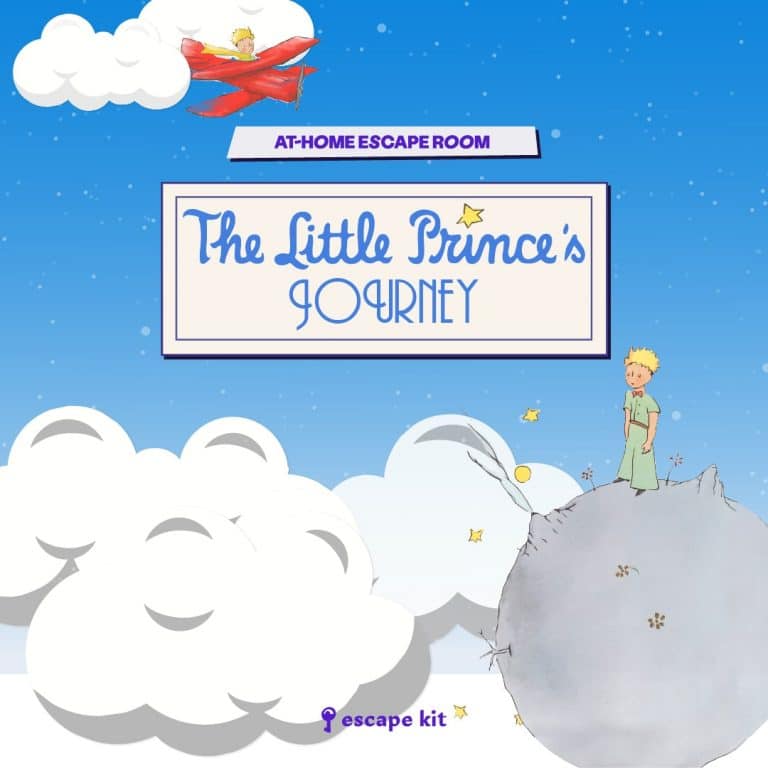 The Little Prince’s journey3-6 years oldGentle story, puzzles with no reading at all
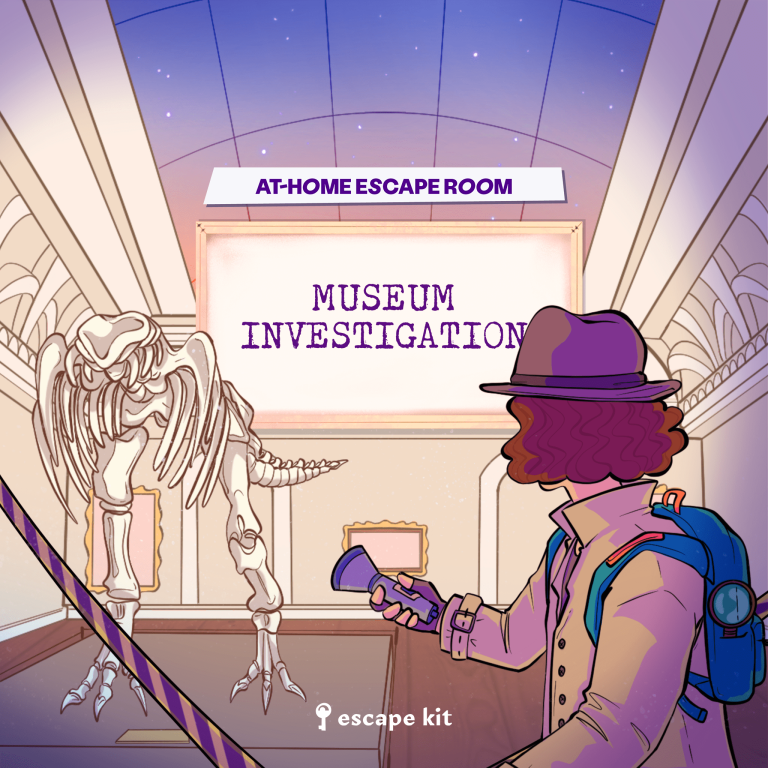 Museum investigation4-6 / 7-12 years oldComes in two versions, one built for the youngest
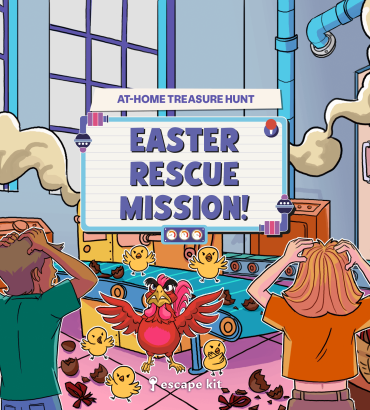
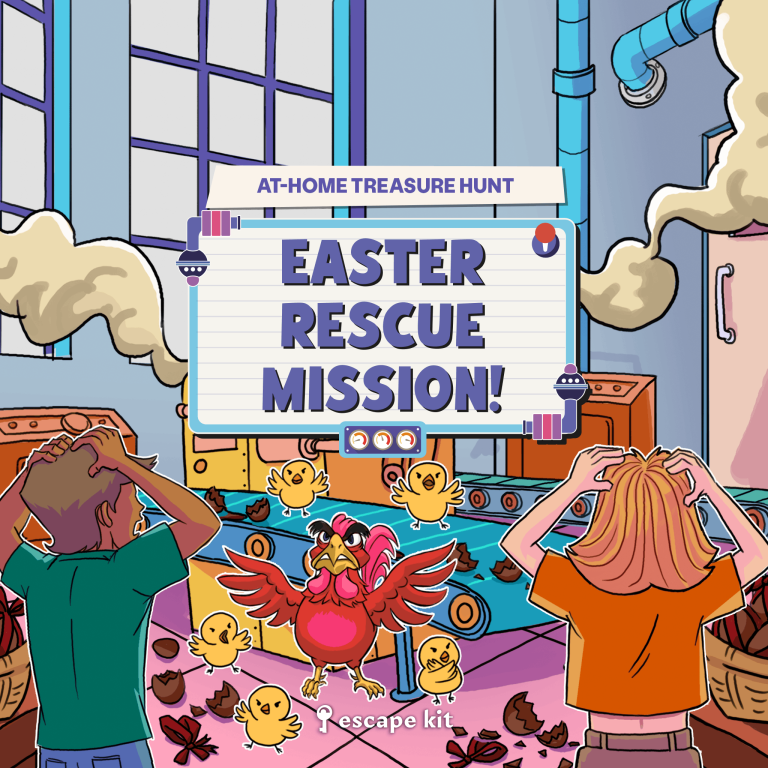 Easter Rescue Mission4-6 / 7-12 years oldSeasonal, simple mechanics, ages 4 to 6 version included
Ages 8 to 11: the sweet spot
Practically everything works. They read fluently, count confidently and have the patience for a puzzle that does not fall out straight away. You can choose on theme rather than difficulty.
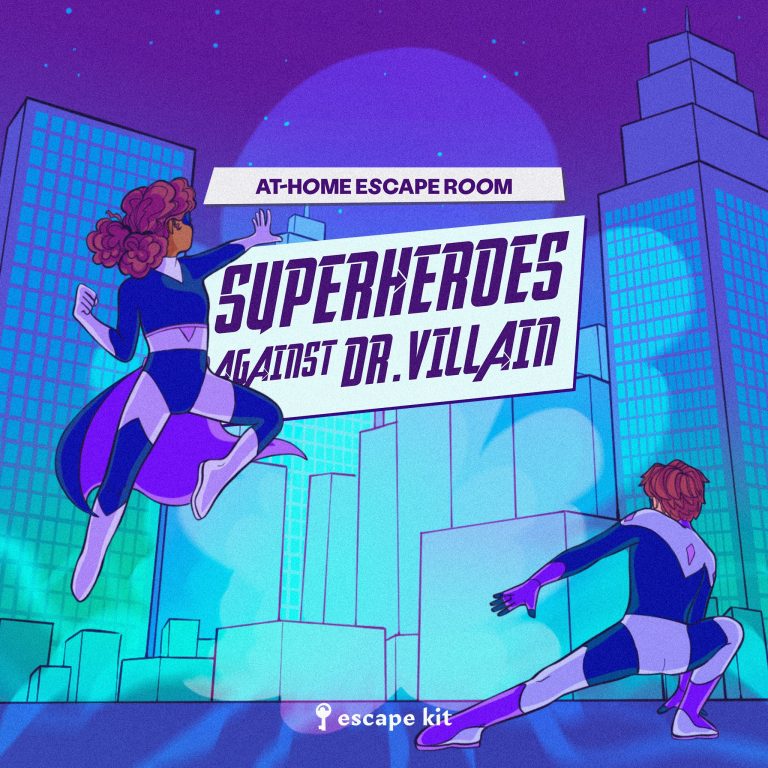 Superheroes against Dr. Villain7-11 years oldSuperheroes, plenty of moving around the room
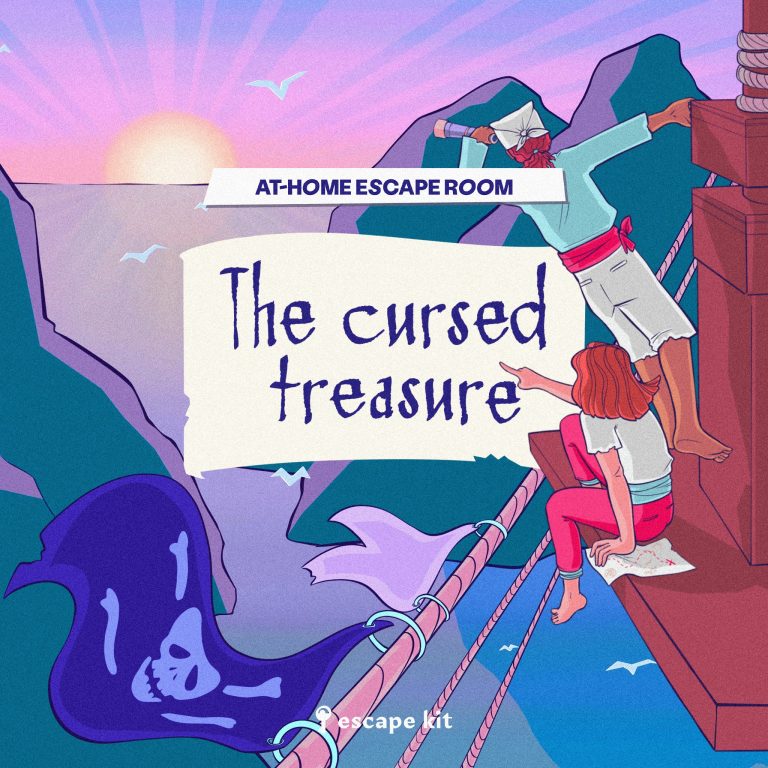 The cursed treasure8-14 years oldPirates, and it works outside in the garden
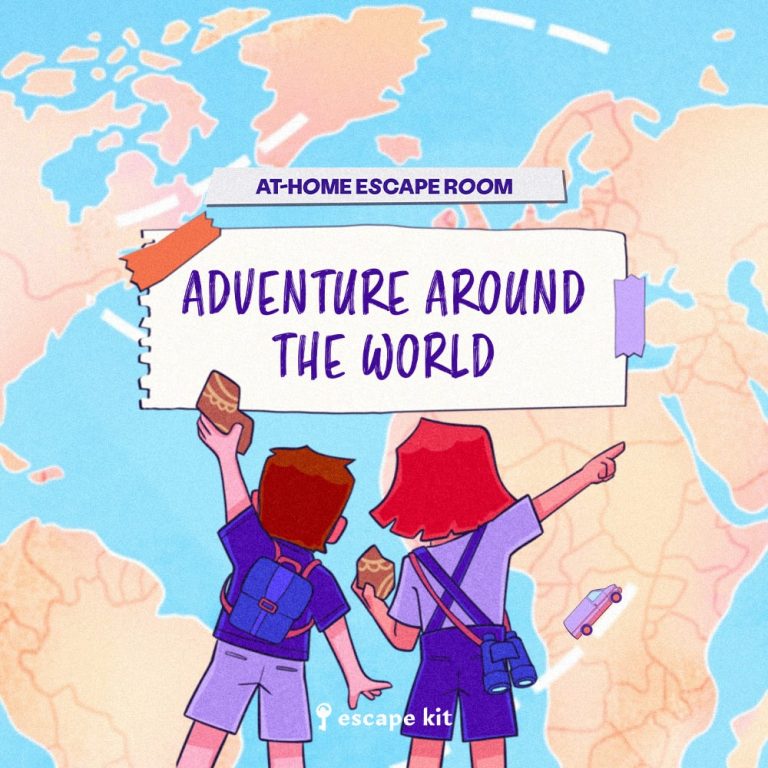 Adventure around the world6-10 years oldA trip round the globe, with maps and countries
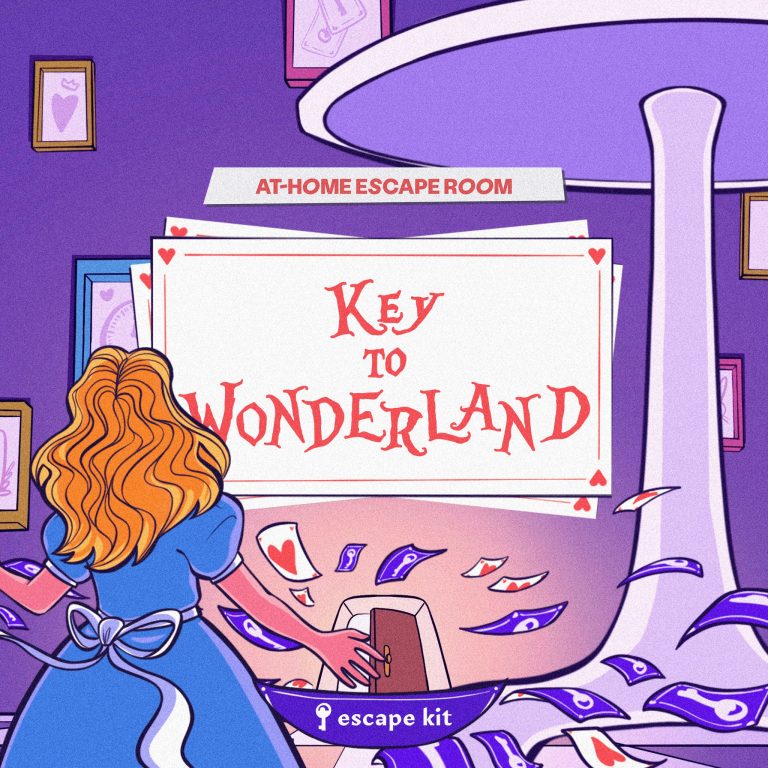 Key to Wonderland8-11 years oldWonderland, for children who like to puzzle
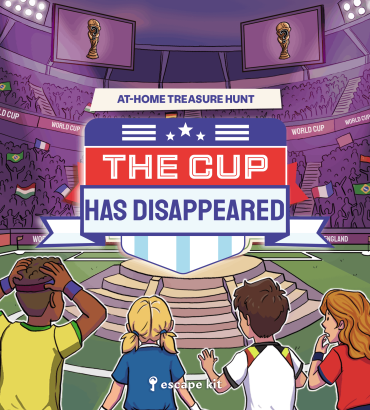
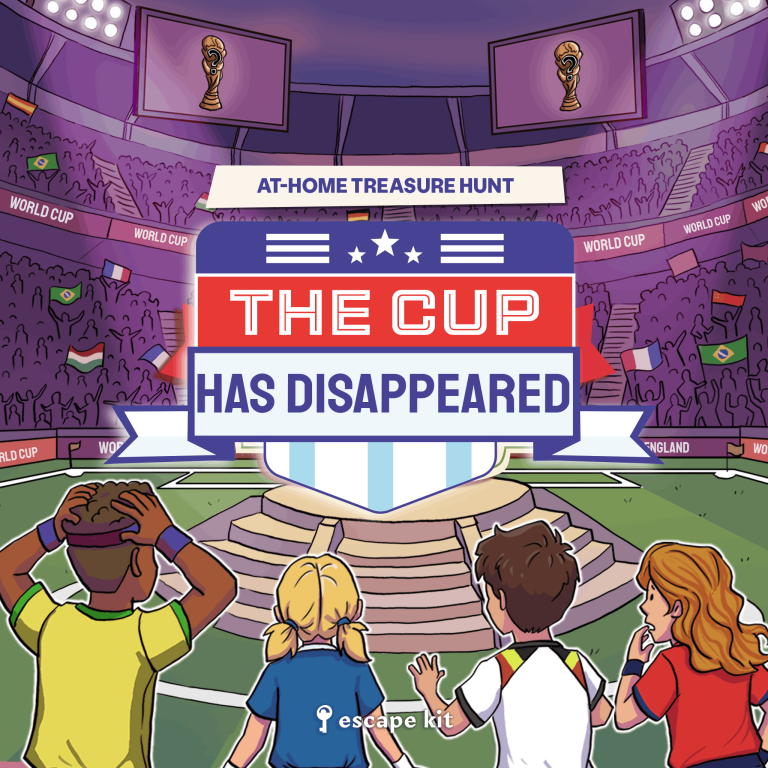 The World Cup Has Disappeared7-12 years oldFootball, the reliable one for mixed groups
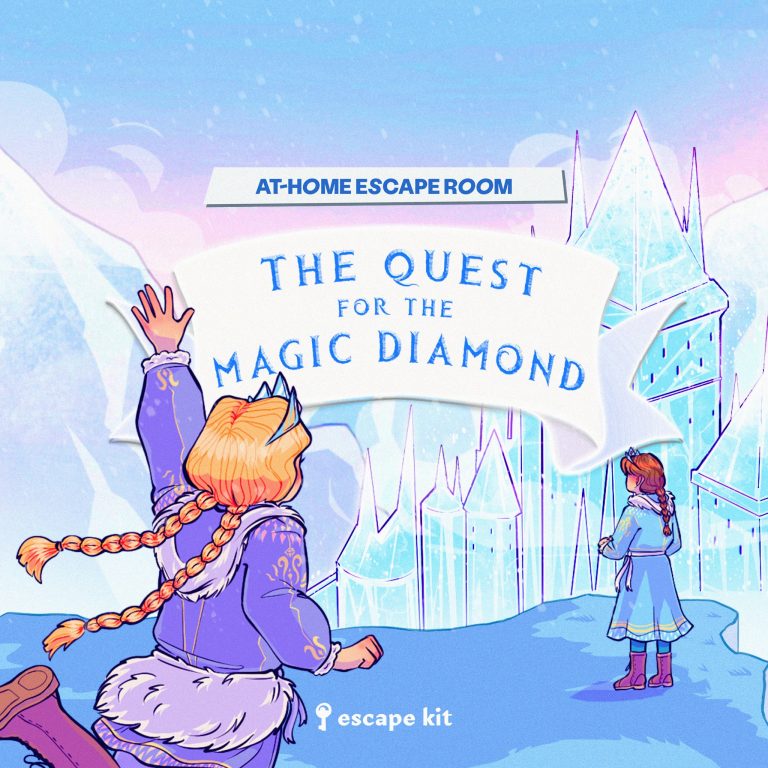 The quest for the magic diamond6-10 years oldA quest, ages 6 to 10
Ages 12 and up: story over puzzles
From twelve, children notice immediately when a game was built for younger kids and quietly switch off. What pulls them in is investigation, tension and a little bit of fright. The puzzles can be hard as long as the story carries them.
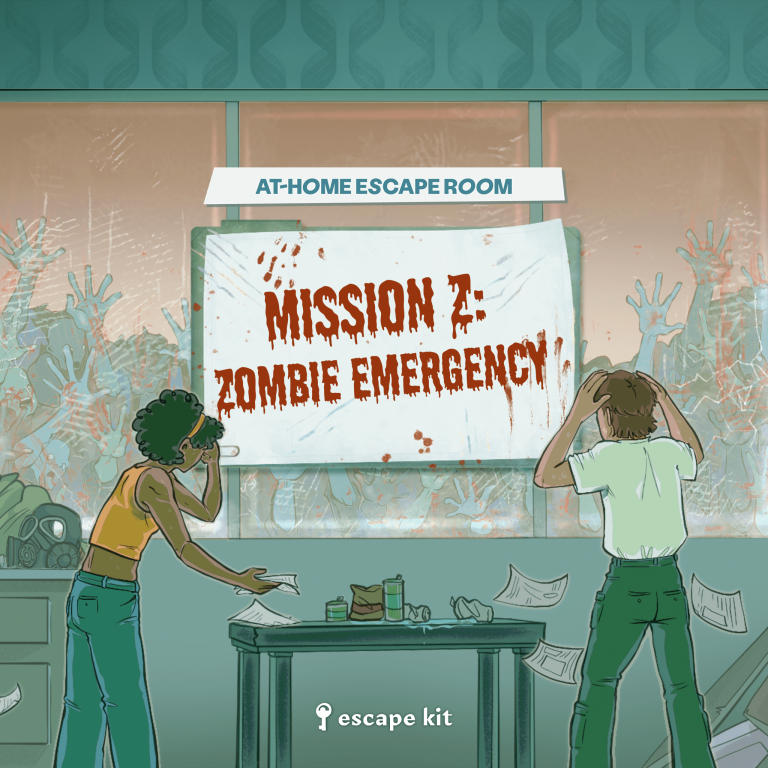 Mission Z: Zombie Emergency+13 years oldZombies, written for 13 and up
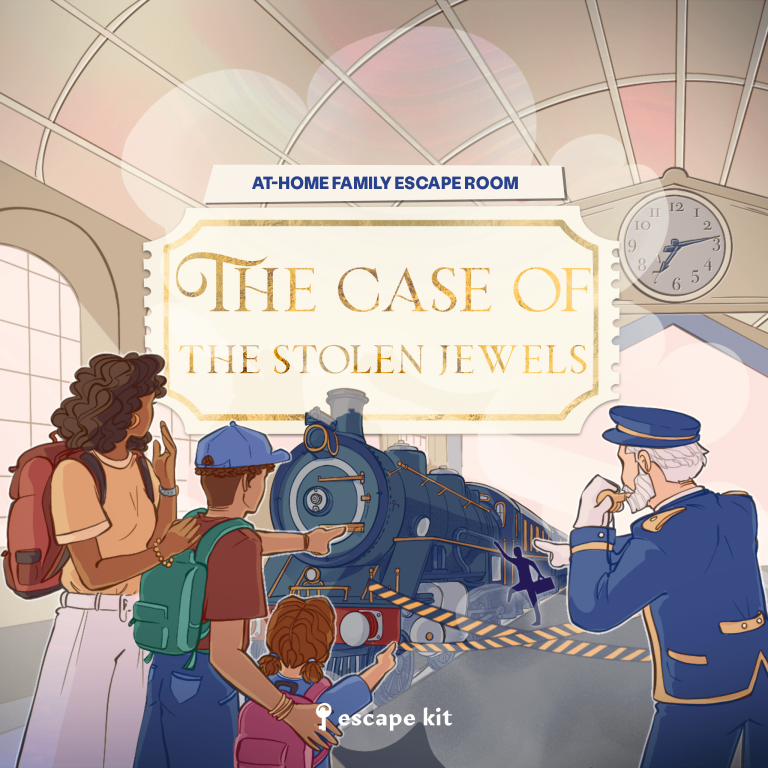 The case of the stolen jewelsFamilyA family format that spans mixed ages
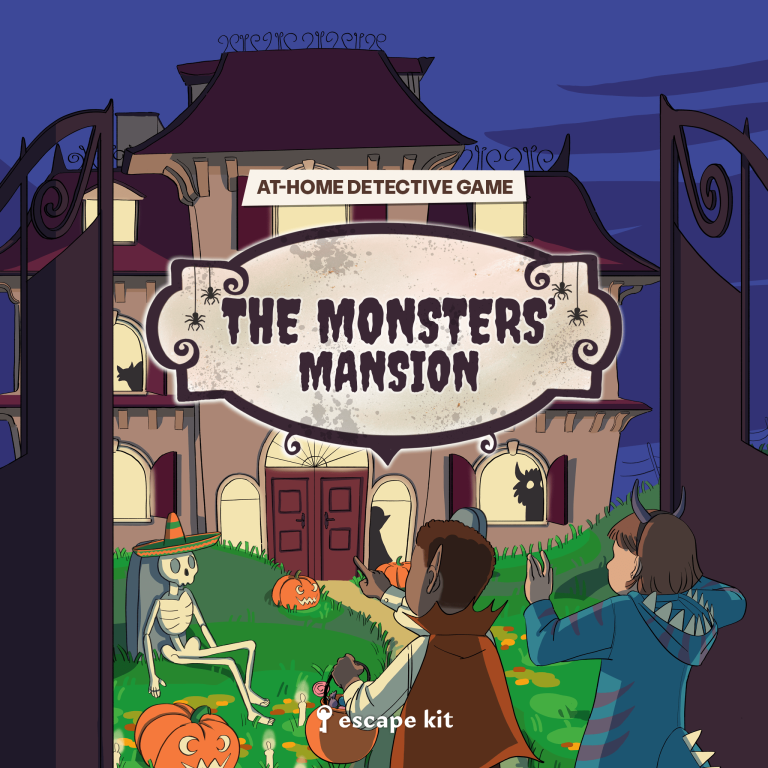 The Monsters’ Mansion4-6 / 7-12 years oldLight scares, no nightmares
Ten children, a story they push forward on their own, and an adult who only has to hand out hints. Printed the night before, played the next afternoon.
Choose a kit by age →How the afternoon runs
The most common mistake is starting the game the moment everyone arrives. The children are still wound up, nobody listens, and the story is lost before it begins. Let them land first.
| When | What happens | How long |
|---|---|---|
| The night before | Print, label the envelopes, hide them | 20 to 30 min |
| Arrival | Presents, drinks, children settling in | 20 min |
| The opening | Read the story, form teams, start the countdown | 10 min |
| The game | They solve, you give hints when it stalls | 45 to 60 min |
| The finish | Open the treasure, hand out the prize | 10 min |
| After | Cake, and a pleasantly tired group | as long as it takes |
One adult does not play
They read aloud, keep an eye on the clock and hand out hints before frustration arrives. With three teams that is not a side role, it is the job that makes the hour work. Anyone trying to do it while also playing ends up doing neither.
For the rest of the party we keep 20 birthday party ideas for kids, a set of riddles with answers for the quiet moment after the cake, and 25 indoor scavenger hunt ideas for a rainy afternoon. There is also a piece on why an escape room birthday works and, for a sleepover, 35 things to do.
Superheroes against Dr. Villain
Ages 7 to 11, and the one that gets them out of their chairs. Plenty of moving around the room, which is exactly what you want after an hour of sitting and eating cake.
The Little Prince’s journey
Ages 3 to 6, with puzzles built on pictures rather than words. An adult reads the story and the youngest guests can genuinely play instead of watching.
What to prepare
Shorter than most birthday ideas, and most of it is already in the house.
| Item | What for | Needed? |
|---|---|---|
| Printer and paper | One set of sheets per team | Yes |
| Envelopes or plastic wallets | Keeping the puzzles in order | Yes |
| Scissors and pens | Cutting out and writing codes down | Yes |
| Phone or speaker | Countdown and music, both come with the kit | Recommended |
| One to three padlocks | Makes the opening physical | No, just nicer |
| A box or chest | Holds the prize at the end | No, a shoebox does it |
Black and white is fine
Every kit stays readable in greyscale, which saves a lot of ink at three teams. Only puzzles built on colour need colour printing, and the game master booklet says so explicitly when that is the case.
At home or at an escape room venue?
A commercial escape room is a lovely outing, but for a children’s birthday it runs into three walls: most take children only from ten or twelve, they fit four to six at a time, and at twelve guests you are paying two bookings at 20 to 30 per child. Then there is getting everyone there and back.
| At home with a kit | At an escape room venue | |
|---|---|---|
| Price | 20.69 in total | 20 to 30 per child |
| Number of children | unlimited, in teams | usually 4 to 6 per room |
| Minimum age | from 3 years old | often 10 or 12 and up |
| Travel | none | there and back, several cars |
| Play it again | yes, as often as you like | no |
Four mistakes that end a party early
A kit above the age of the youngest child. The most common one by far. A nine year old given a kit rated 13 and up gives up within ten minutes, and takes the group with them. When in doubt, pick for the youngest.
Teams that are too big. Ten children on one puzzle means two solving and eight watching. Three to five per team, and make an extra team instead of a crowded one.
Not giving hints. Children get stuck and do not say so. Watch the tables: as soon as a team has done nothing for three minutes, hand them a clue without giving the answer.
Playing after the cake. Full children are slow children. Play first, eat after.
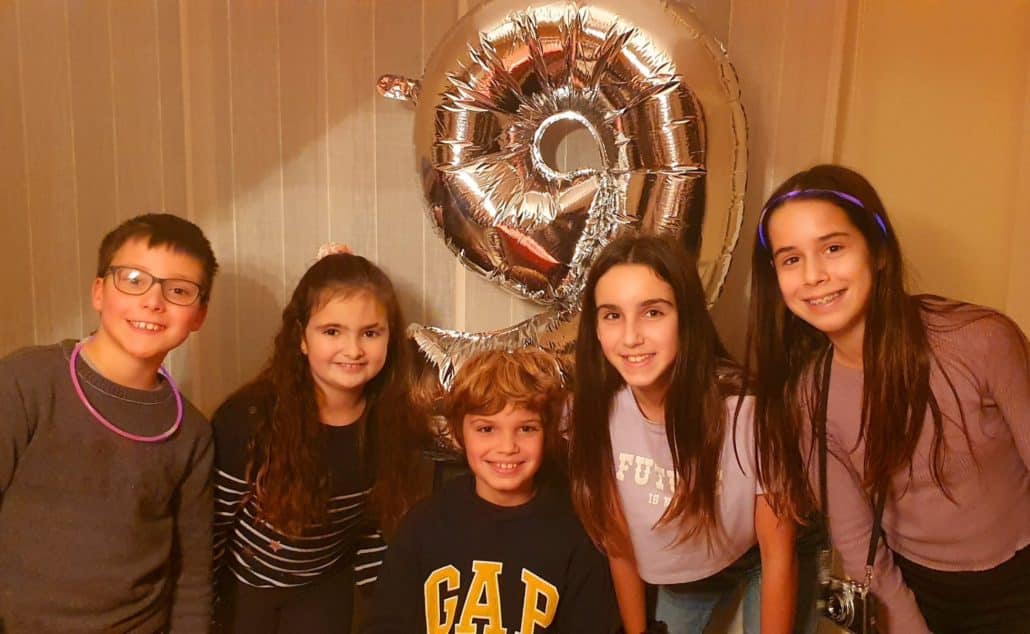
💡 The expert’s tip
Hide things at child height. The top of the wardrobe is not a challenge, it is a dead end, and a seven year old who cannot reach a clue will simply decide the game is broken and go and find the cake.
Frequently asked questions
What age is an escape room suitable for children?
From three years old, provided an adult reads aloud and the puzzles use pictures rather than text. From eight, children play largely on their own. Every kit carries its own age rating on its product page.
How many children can play?
As many as you like. Split them into teams of three to five and print one set of the kit per team. The price stays at 20.69 whether four or twenty children play.
How long does a birthday escape room last?
About 60 minutes for children aged eight and up, and 30 to 40 minutes for the youngest. Add 10 minutes to open the story and 10 for the finish.
Do we need padlocks and a treasure chest?
No. A labelled envelope that only gets opened once someone has the right code does the same job. Padlocks make it more tactile, but nothing depends on them.
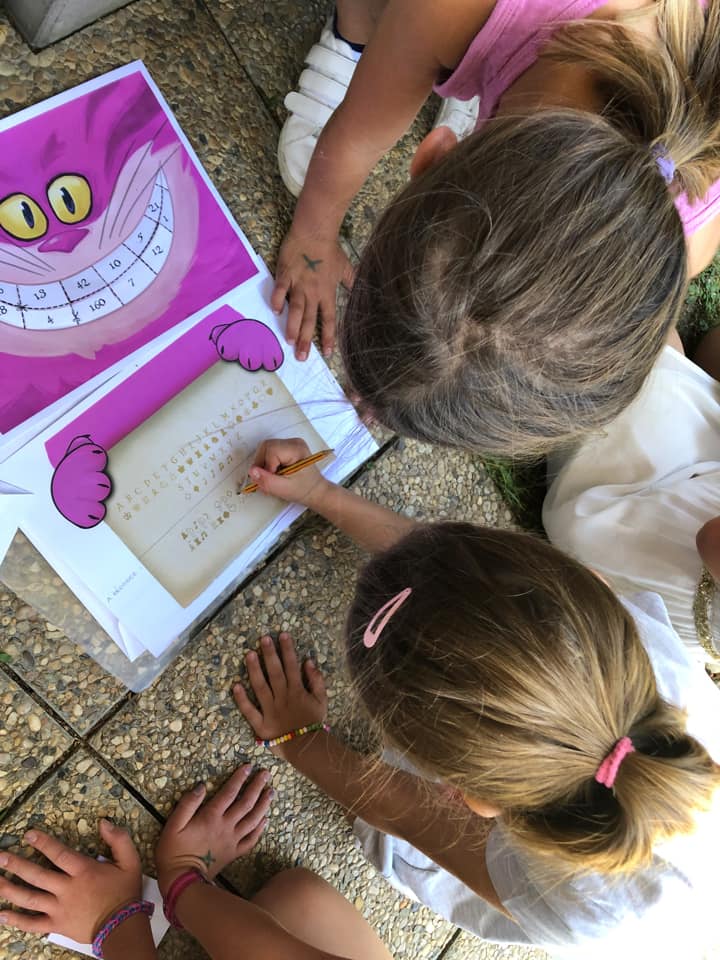
Not sure which to pick?
Each product page shows the age rating, the playing time and the number of puzzles. When two stories appeal equally, go with whatever the birthday child is into at the moment. That pulls harder than any puzzle design.
Can we play in the garden?
Yes, and with a large group the garden is often better because the teams get more space. Just watch for wind: weigh the sheets down or use clipboards.
What does it cost compared with an escape room venue?
20.69 once, against 20 to 30 per child at a venue. For twelve guests that is roughly 25 against roughly 300.
What if the children are different ages?
Choose the kit for the youngest and spread the ages across the teams so each one has an older child or an adult in it. A slightly easy game still gets finished and enjoyed.
Printed the night before, played the next afternoon, and reprinted a year later for the younger one.
Choose a kit by age →
Who writes this page
Clément Pontegnier
Founder of Escape Kit
I have been writing printable escape rooms since 2018, sorted by age band from three years upward. More than 250,000 players have run them, and most of those were somebody’s birthday.