A classroom escape room turns a lesson into an hour the class actually remembers. The mechanic is simple: a chain of puzzles built on what you are teaching, each one producing a code that unlocks the next, and thirty children who forget they are doing schoolwork.
The catch is the preparation. Writing a working puzzle chain from scratch takes an evening you probably do not have. A printable kit gives you the same structure already tested, printed once per team, for the price of one game rather than one per pupil.
On this page: how to run one in a classroom, how to split the class, which kits fit which age, what it teaches, and the practical traps of running it with thirty children.

Why it works as a teaching tool
An escape room does something a worksheet cannot: it gives the answer a purpose. A child who will not do ten subtractions on a sheet will do the same ten to open a box, because the number is a key rather than a mark.
| What it builds | How the game does it |
|---|---|
| Cooperation | The chain is too long for one pupil. They have to divide the work and trust each other |
| Reading for meaning | Instructions have to be read properly, not skimmed, or the code comes out wrong |
| Logic and deduction | Ciphers, sequences and cross referencing, applied rather than explained |
| Working under time pressure | A visible countdown changes how a group organises itself |
| Confidence | Pupils who struggle on paper often shine at spotting the hidden object |
Where it fits in the year
The three moments it gets used most: the first week back, as a way to get a new class working together; the end of a topic, as a revision hour that does not feel like revision; and the last day before a holiday, when nothing else holds.
Running one with a full class
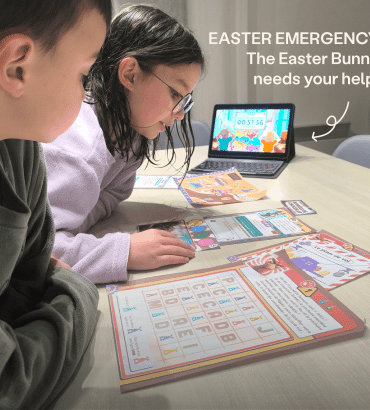
Thirty pupils is six teams of five. Every team plays the same story at the same time, on its own table, with its own set of printed sheets. You stay on your feet and hand out hints.
| Class size | Teams | Sets to print |
|---|---|---|
| 12 pupils | 3 teams of 4 | 3 |
| 20 pupils | 4 teams of 5 | 4 |
| 24 pupils | 6 teams of 4 | 6 |
| 30 pupils | 6 teams of 5 | 6 |
| Two classes together | 10 to 12 teams | 1 per team |
| When | What you do | How long |
|---|---|---|
| The day before | Print one set per team, sort into envelopes, mark each set by colour | 30 min |
| Briefing | Read the story, explain the rules, start the countdown | 10 min |
| The game | Teams work in parallel, you circulate and give hints | 45 min |
| Debrief | Go through the puzzles, link them back to the lesson | 15 min |
Mark each team by colour
With six teams on six tables, one sheet in the wrong pile costs a team ten minutes. Print each set on a different colour of paper, or put a coloured mark in the corner of every sheet before you start.
Print the kit once per table and run a single countdown for the room. You circulate and hand out hints while every team works on the same story.
See the kits by age →Three questions, one kit that actually fits. Nothing is sent anywhere.
Which kit for which class
The age rating matters more in a classroom than at a party, because you cannot quietly help the one child who is lost when there are twenty nine others. Aim at the middle of the class, not the top.
Ages 4 to 7
Pictures, colours and shapes rather than text, with the story read aloud. Plan thirty to forty minutes, not a full hour, and expect to run it as a whole class rather than in independent teams.
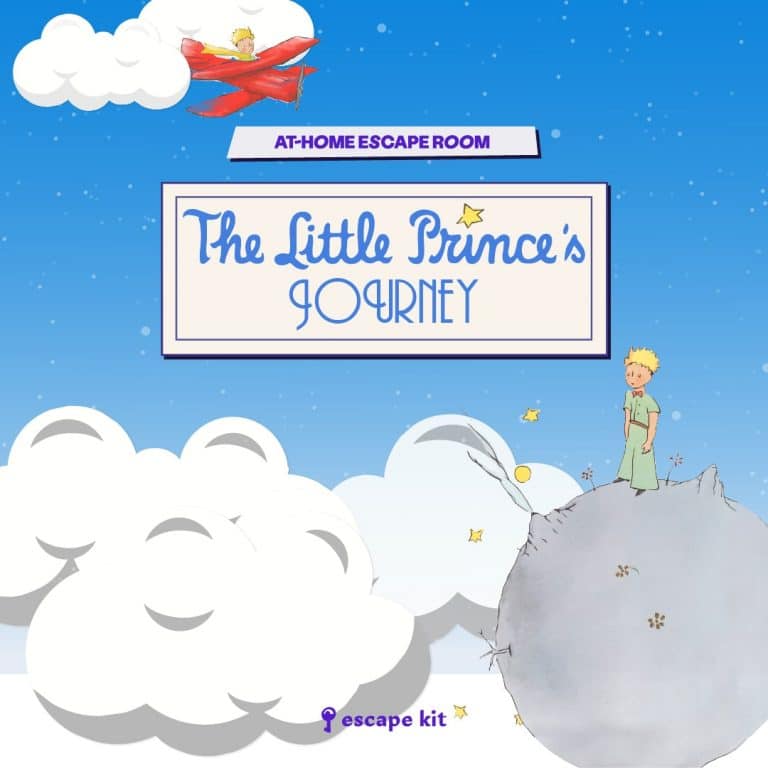 The Little Prince’s journey3-6 years oldNo reading required, gentle pace
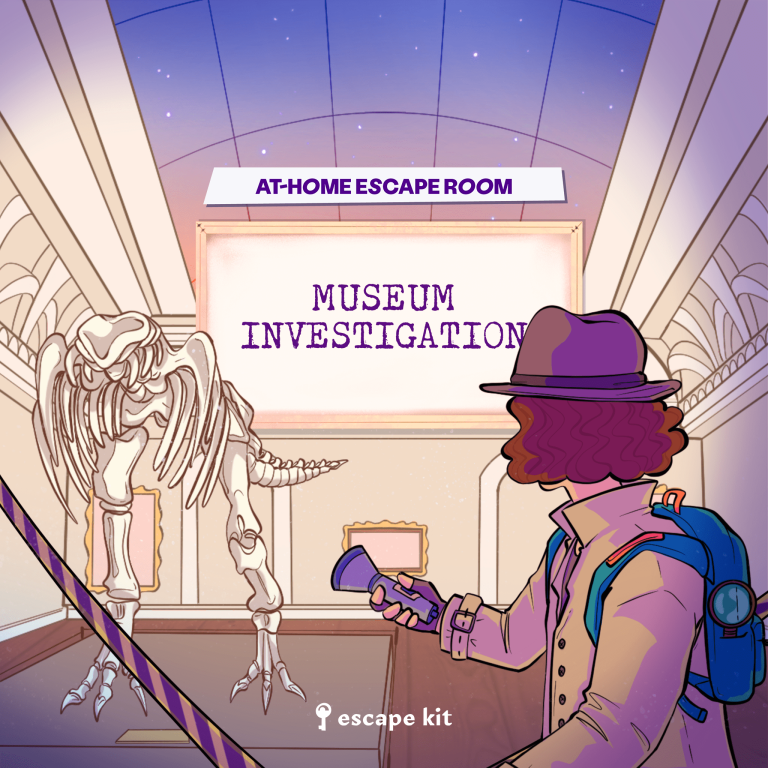 Museum investigation4-6 / 7-12 years oldComes in a 4 to 6 version and a 7 to 12 version
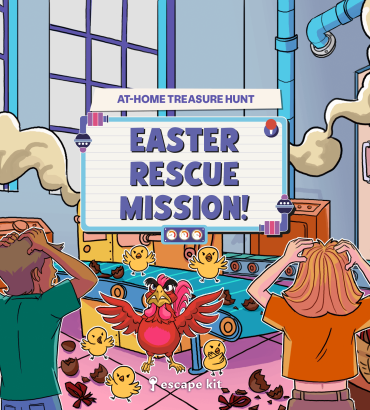
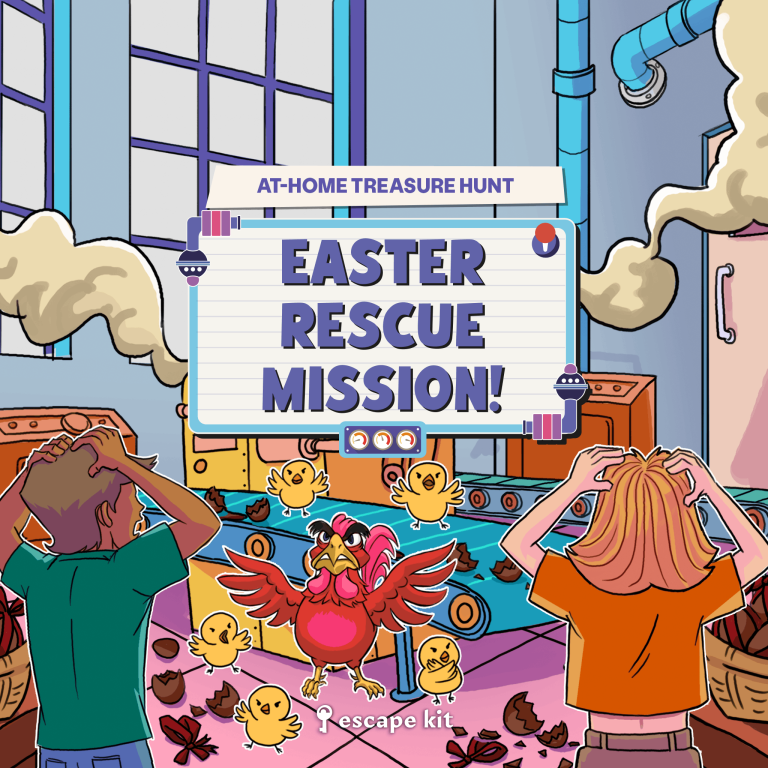 Easter Rescue Mission4-6 / 7-12 years oldSeasonal, simple mechanics, two age versions
Ages 8 to 11
The age where this works best. Reading is fluent, arithmetic is solid, and the patience is there for a puzzle that does not fall out immediately. Teams can run genuinely independently while you circulate.
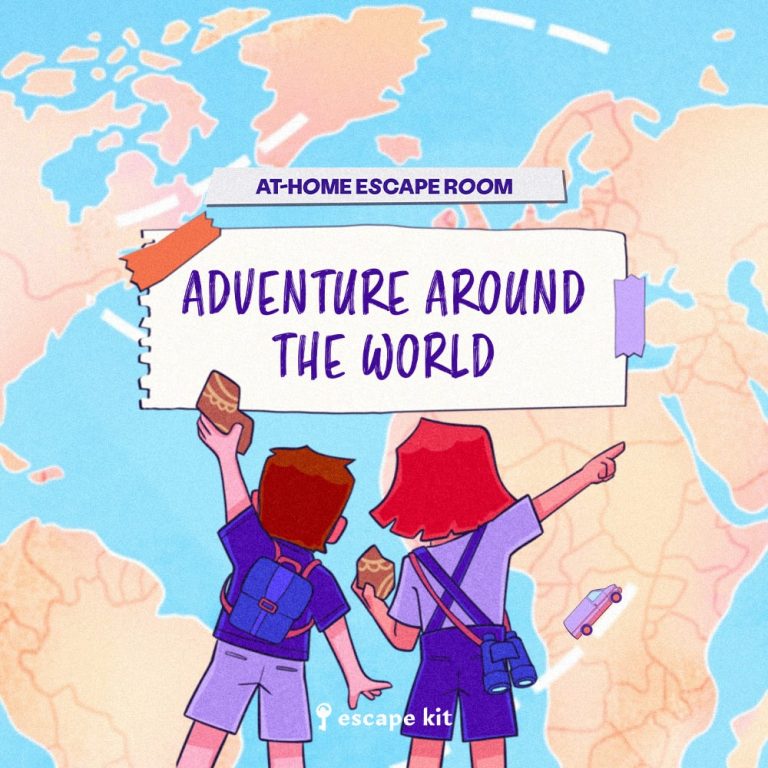 Adventure around the world6-10 years oldMaps, countries and continents, fits geography
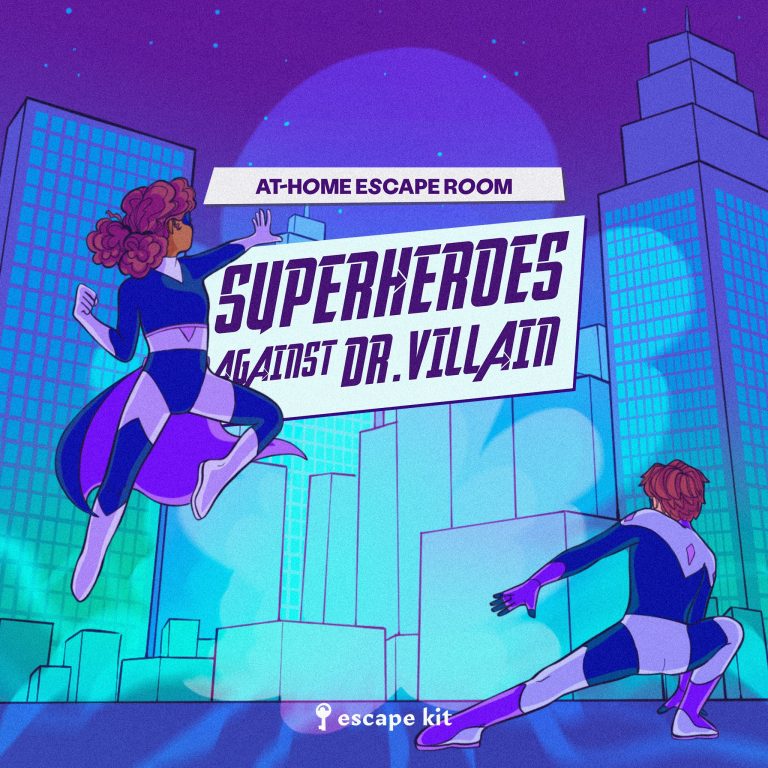 Superheroes against Dr. Villain7-11 years oldHigh energy, gets them moving around the room
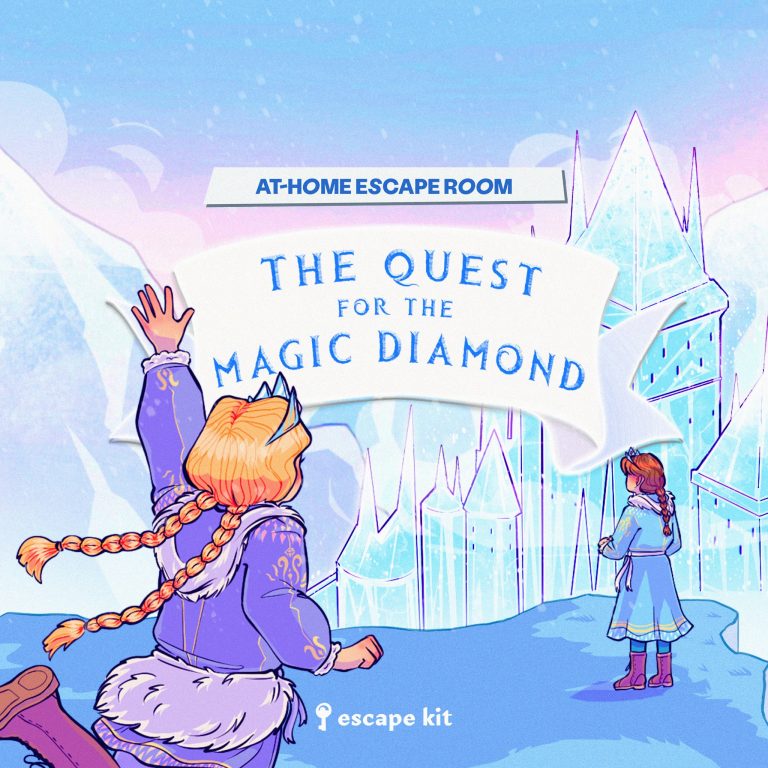 The quest for the magic diamond6-10 years oldA quest, ages 6 to 10
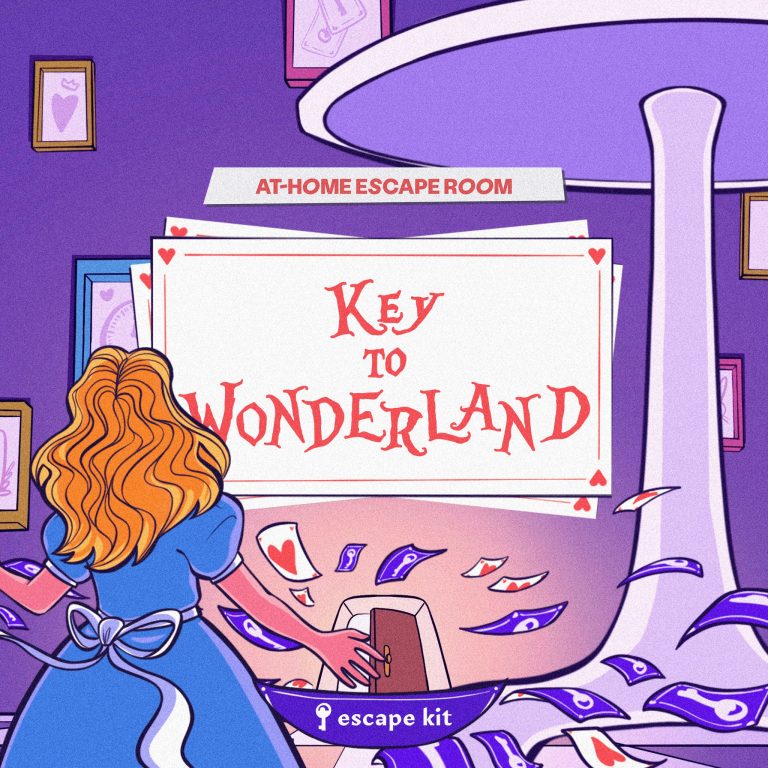 Key to Wonderland8-11 years oldWordplay and logic, for classes that like puzzles
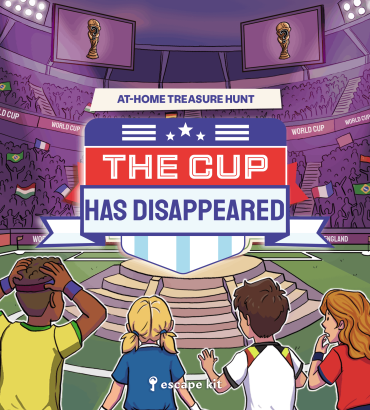
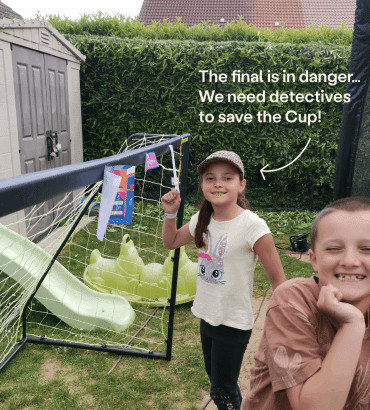
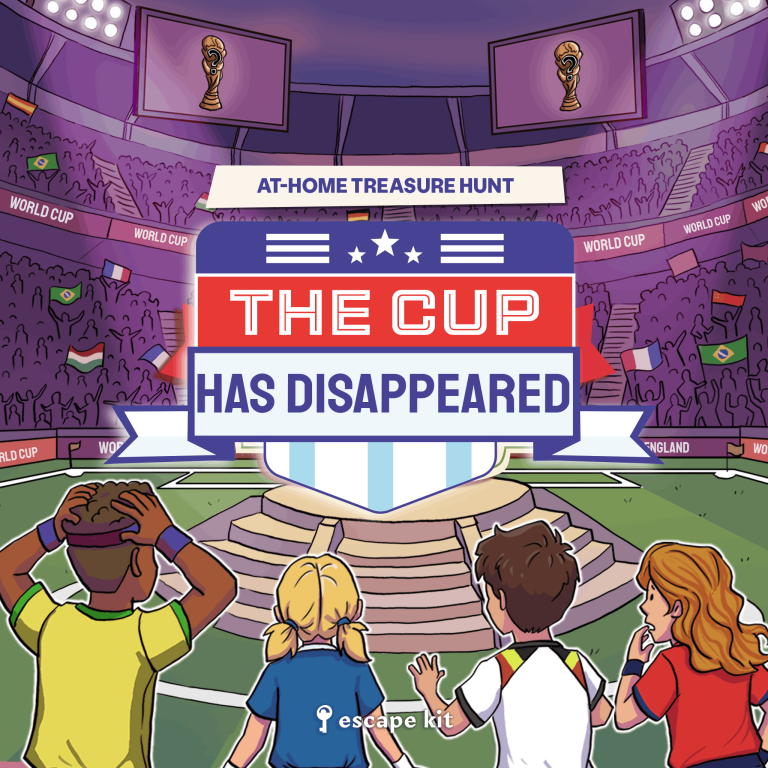 The World Cup Has Disappeared7-12 years oldFootball, reliable with a mixed group
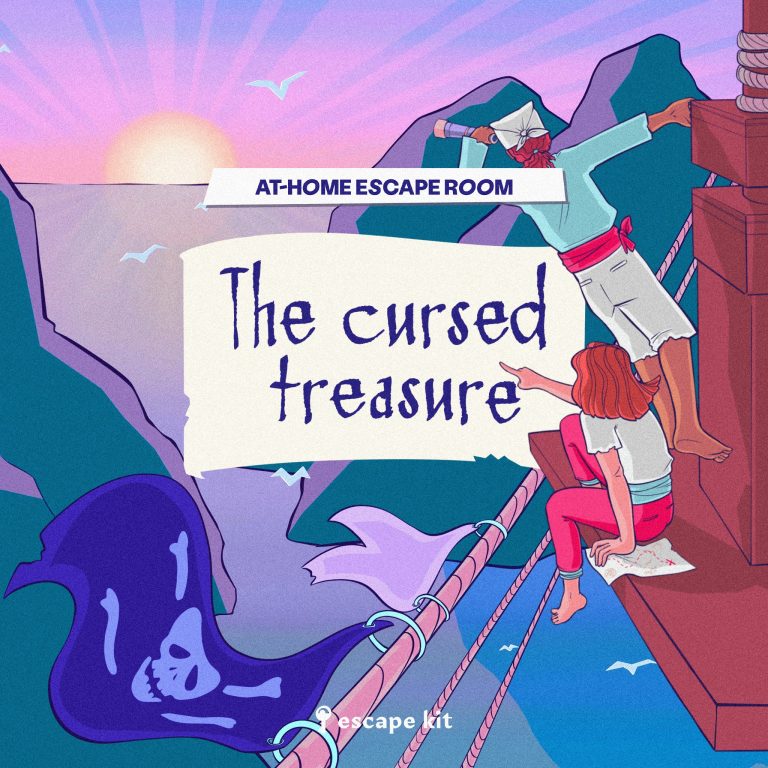 The cursed treasure8-14 years oldPirates, and it works outside for a school trip
Ages 12 and up
Older pupils spot a game written for younger children within a minute and disengage. What holds a secondary class is investigation, cross referencing and a bit of tension.
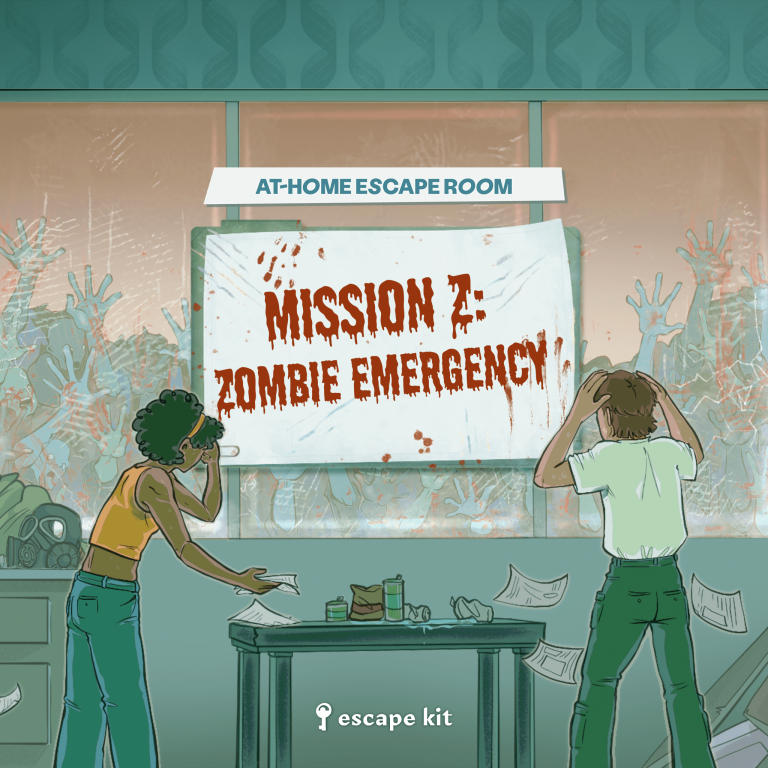 Mission Z: Zombie Emergency+13 years oldA zombie outbreak, written for 13 and up
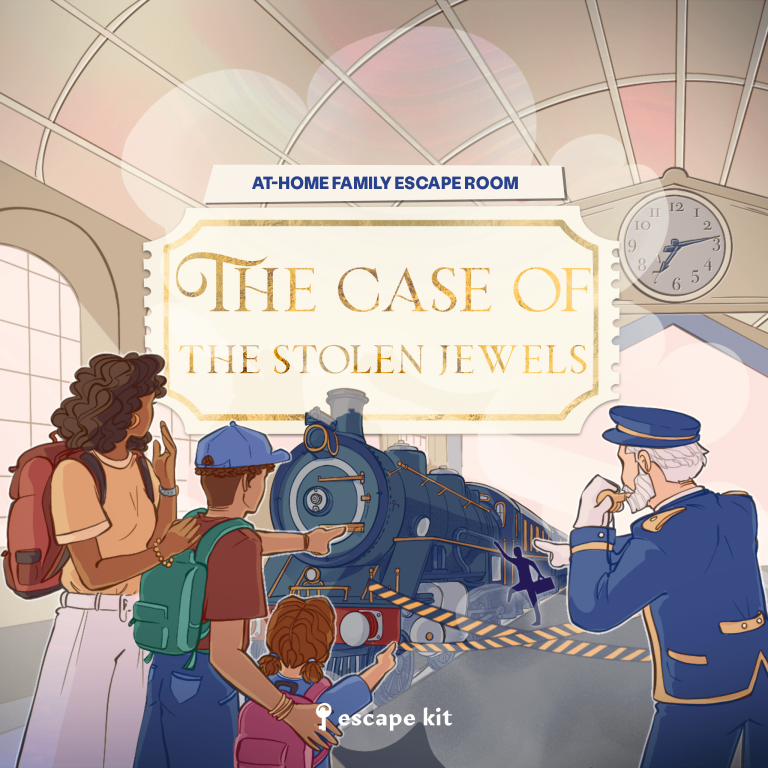 The case of the stolen jewelsFamilyAn investigation that spans mixed ages
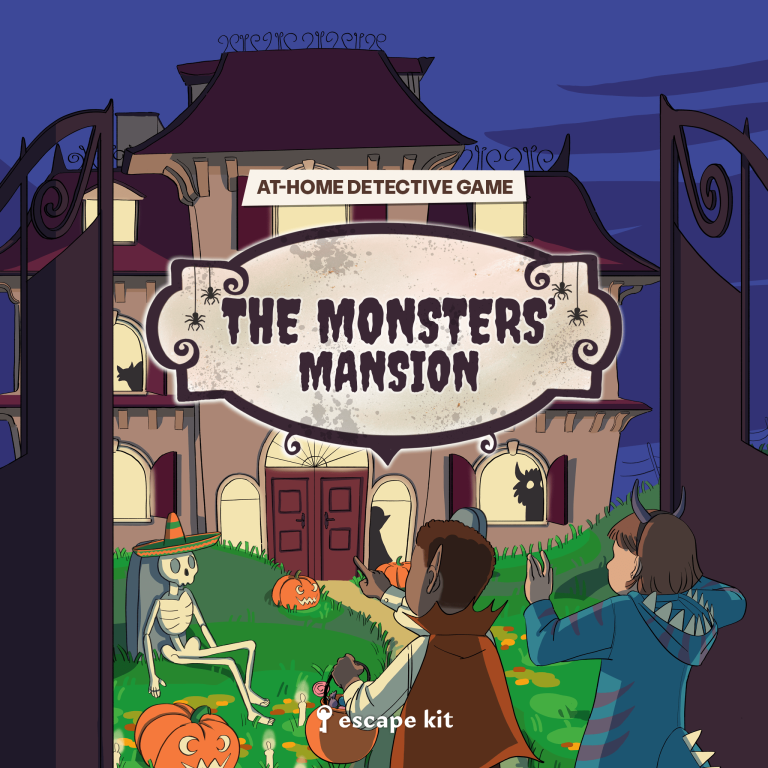 The Monsters’ Mansion4-6 / 7-12 years oldLight scares, and a 7 to 12 version too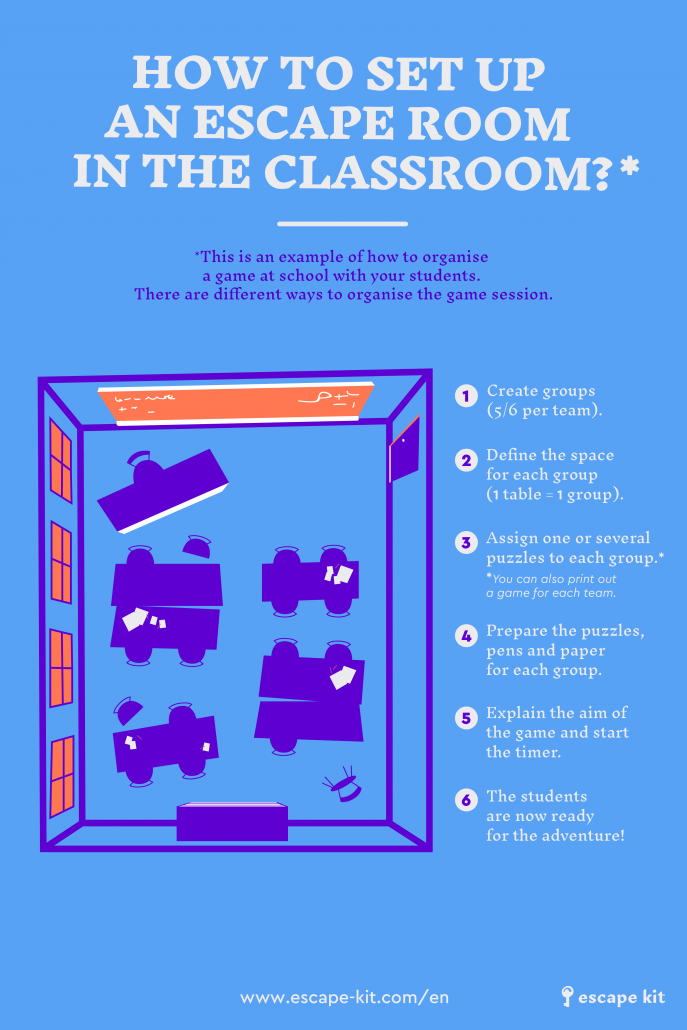
Teachers also use our riddles with answers as a five minute filler, and the puzzle and clue list to build their own around a lesson. For an end of term afternoon, 25 indoor scavenger hunt ideas works with the same team split, and rainy day activities covers the days nobody goes outside. The DIY guide explains how to chain it all together.
Museum investigation
Two versions in one PDF, 4 to 6 and 7 to 12. In a class with a wide ability range, that lets you hand the same story to every table without anyone being stranded.
Adventure around the world
Ages 6 to 10, built on maps, countries and continents. The one that fits a geography topic without feeling like a worksheet.
What you need
| Item | What for | Needed? |
|---|---|---|
| A printer | One set of sheets per team | Yes |
| Envelopes | Keeping each team’s puzzles in sequence | Yes |
| Coloured paper or pens | Telling the six sets apart | Strongly recommended |
| Classroom speaker | The countdown, shared by the whole room | Recommended |
| Scissors and pens | One set per table | Yes |
| Padlocks and boxes | Makes the opening physical | No, envelopes work |
Greyscale is enough
Every kit stays readable printed in black and white, which matters when the school printer is the school printer. Only puzzles built on colour need colour, and the teacher booklet flags those explicitly.
Three things that go wrong in a classroom
Teams too big. Six pupils on one puzzle means two working and four talking. Five is the ceiling, and four is better.
No hints prepared. With six teams you cannot improvise. The teacher booklet lists a graded hint for every puzzle: have it in your hand, not on the desk.
No debrief. The fifteen minutes at the end are where the learning lands. Go back through each puzzle and name what it was actually testing.
Beyond the classroom
The same kits get used in after school clubs, holiday schemes and libraries, with the same mechanic: split into teams of three to five, print one set each, run one countdown for the room. For a whole year group or a school event, see how it scales on the large groups page.
💡 The expert’s tip
Aim one age band below where you think the class is. A game slightly too easy finishes, gets cheered and leaves you time for the debrief. A game slightly too hard strands half the room at puzzle three with twenty minutes still on the clock.
Frequently asked questions
How do you run an escape room in a classroom?
Split the class into teams of four or five, print one set of the kit per team, give each team its own table and its own colour of paper, then read the story aloud and start a single countdown for the whole room. You circulate and hand out hints while the teams work in parallel.
How many pupils can play at once?
A whole class, and more. Thirty pupils becomes six teams of five, and you print the kit six times. There is no cap: the limit is the number of tables in the room.
Do I need to buy one kit per pupil?
No. You buy the kit once for 20.69 and print it as many times as you have teams. Six teams costs the same as one.
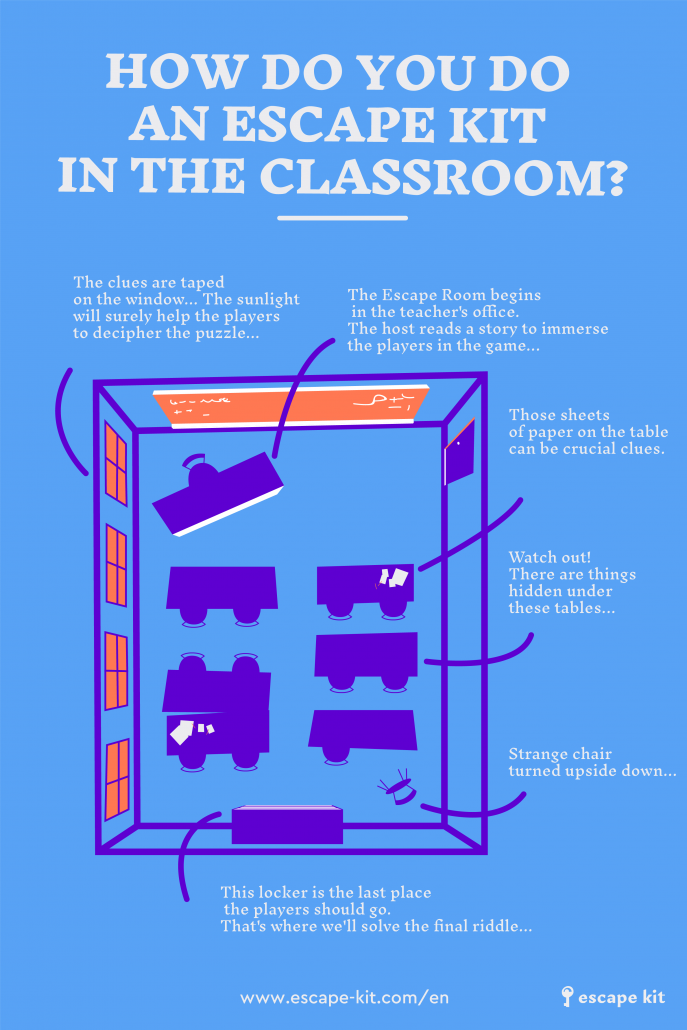
Choosing for a class you do not know well
Pick one age band below where you think they are. A game slightly too easy finishes, gets cheered and leaves time for the debrief. A game slightly too hard leaves half the room stranded at puzzle three with twenty minutes still on the clock.
What age is a classroom escape room suitable for?
From four years old with an adult reading aloud and picture based puzzles. Eight to eleven is the age where it works best, and secondary classes need investigation style kits rather than children’s themes.
How long does a lesson escape room take?
About 45 minutes of play, plus 10 minutes of briefing and 15 minutes of debrief. It fits a double period comfortably.
What does an escape room teach?
Cooperation, reading for meaning, logic and deduction, and working to a deadline. Pupils who struggle with written work often do well at the observation puzzles, which is part of why teachers keep using them.
Print it once per table. The school pays for the game, not for the seats, and you can run it again next year.
See the kits by age →
Who writes this page
Clément Pontegnier
Founder of Escape Kit
I have been writing printable escape rooms since 2018. A large share of them end up in classrooms, so every kit ships with a teacher booklet that lists a graded hint for each puzzle.