A treasure hunt is the oldest party game there is, and the one most likely to fall apart twenty minutes in. Usually because the clues were written the morning of the party and two of them point to the same place.
A printable kit removes that risk. The trail is already written and tested, the clues are laid out to print and cut, and you spend the morning hiding envelopes rather than inventing riddles.
On this page: how a treasure hunt kit works, indoors against outdoors, which trail suits which age, hunts for adults, and what goes wrong when you write your own.
How a treasure hunt kit works
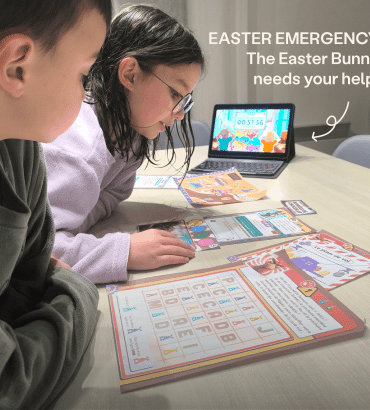
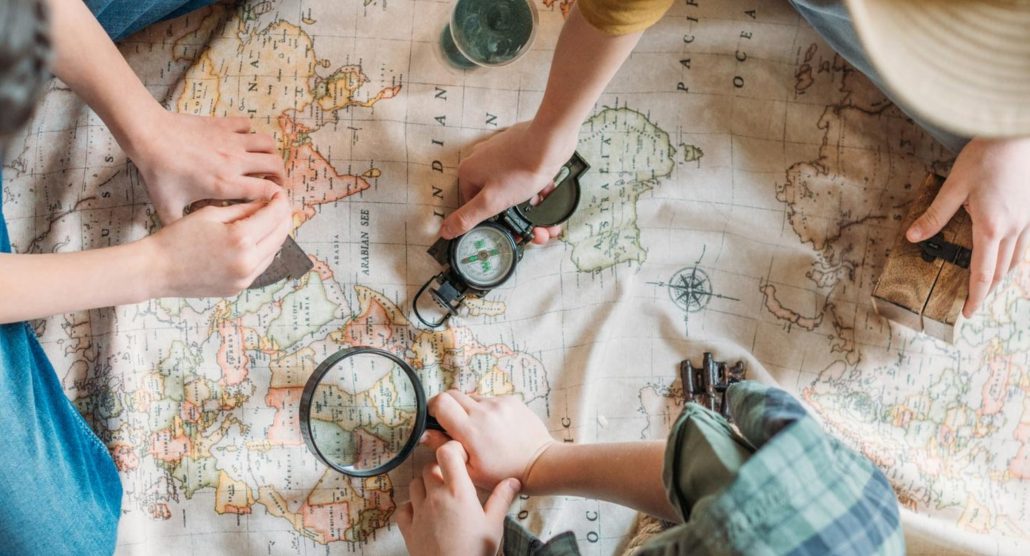
Each clue points to the next hiding place. Find the envelope, solve what is inside, and it tells you where to go next. The last one leads to the treasure, which is whatever you decide to put there.
| What you get | What it is for |
|---|---|
| The clue cards | Printed and cut, one card per hiding place along the trail |
| The trail map | Your copy, listing where each clue goes and in what order |
| Printable decoration | Envelopes, seals, a treasure map and signs to set the scene |
| The audio track | Music and a countdown, so the hunt has a clock on it |
You choose the hiding places to fit your house or garden, and the map tells you which clue goes where. Nothing depends on having a particular room or a particular object.
The prize is up to you
Nothing in the kit says what the treasure is. Most people use a cake, the party bags, a small gift, or chocolate coins in a box. The hunt is the point, and the prize just has to exist.
Indoors or outdoors?
Both work, and the choice usually comes down to the weather and the number of children rather than the kit.
| Indoors | Outdoors | |
|---|---|---|
| Hiding places | Under furniture, in books, behind frames | Trees, plant pots, a gate, a shed |
| Group size | Up to about 8 comfortably | Any size, teams can spread out |
| Preparation | Faster, everything is to hand | Longer, and watch for wind |
| Weather | Never a problem | The obvious catch |
| Protecting the clues | Not needed | Plastic wallets, or clip them down |
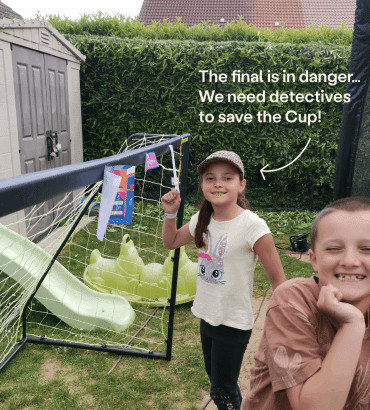
Outdoors, weigh the clues down
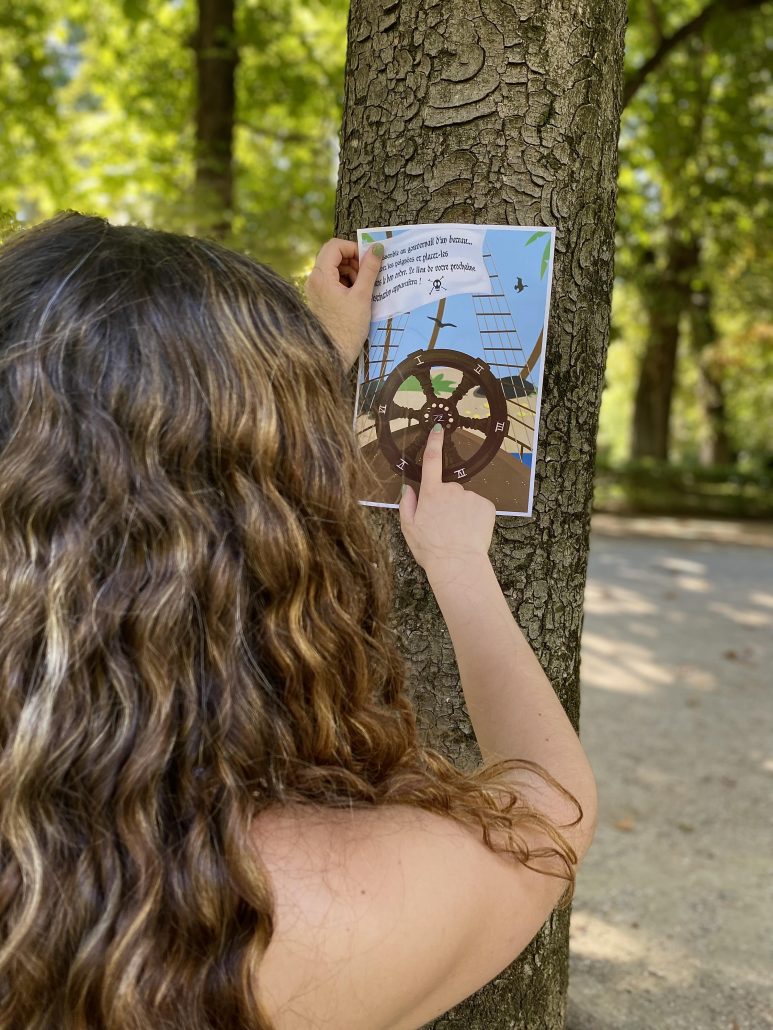
Wind is what ruins an outdoor hunt. Slide each clue into a plastic wallet and put a stone on it, or use clipboards. It takes five extra minutes and saves the whole afternoon.
Clue cards laid out to print, a map telling you where each one goes, and a prize you choose yourself. Thirty minutes of hiding and the hunt is ready.
See the treasure hunts →Three questions, one kit that actually fits. Nothing is sent anywhere.
Which treasure hunt for which age
The age rating does the work here. A trail written for eight year olds handed to a four year old ends in tears, and the reverse ends in ten minutes of boredom.
Ages 3 to 6
Clues based on pictures and colours, with an adult reading aloud and walking the trail with them. Keep it to six or seven hiding places and about half an hour.
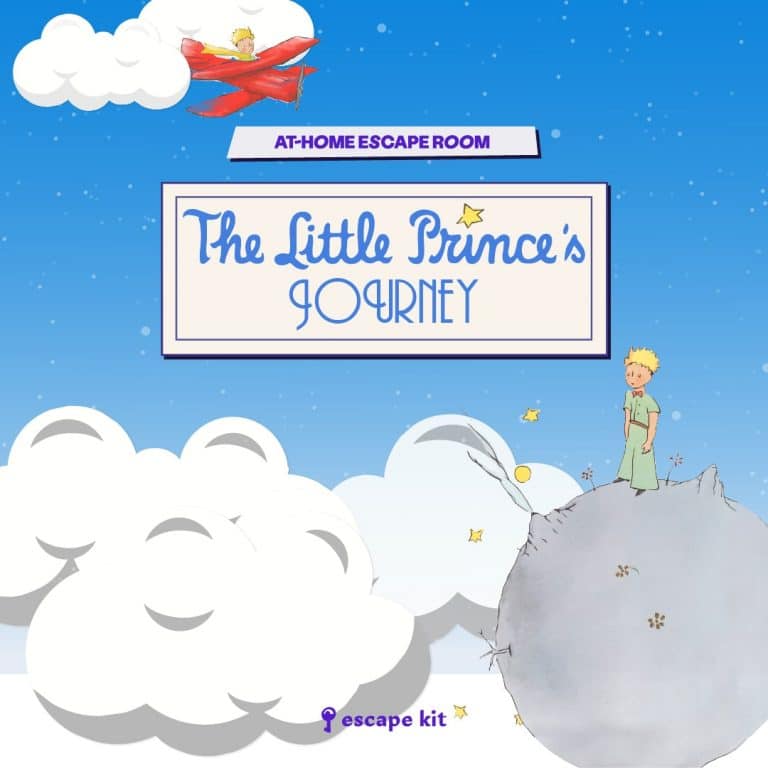 The Little Prince’s journey3-6 years oldNo reading needed, gentle pace
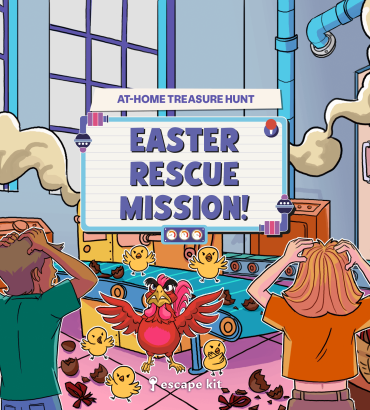
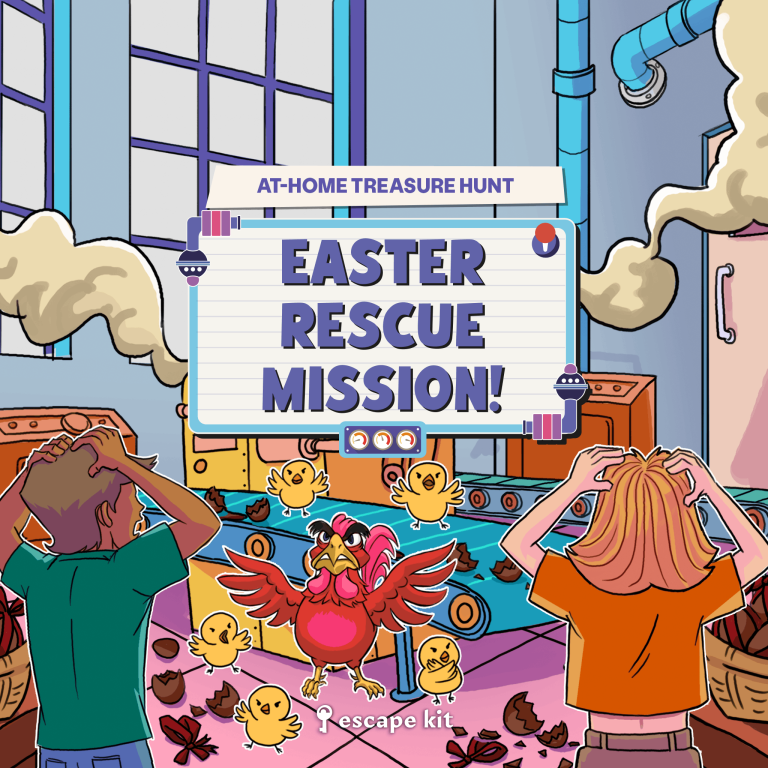 Easter Rescue Mission4-6 / 7-12 years oldSeasonal, with a 4 to 6 version
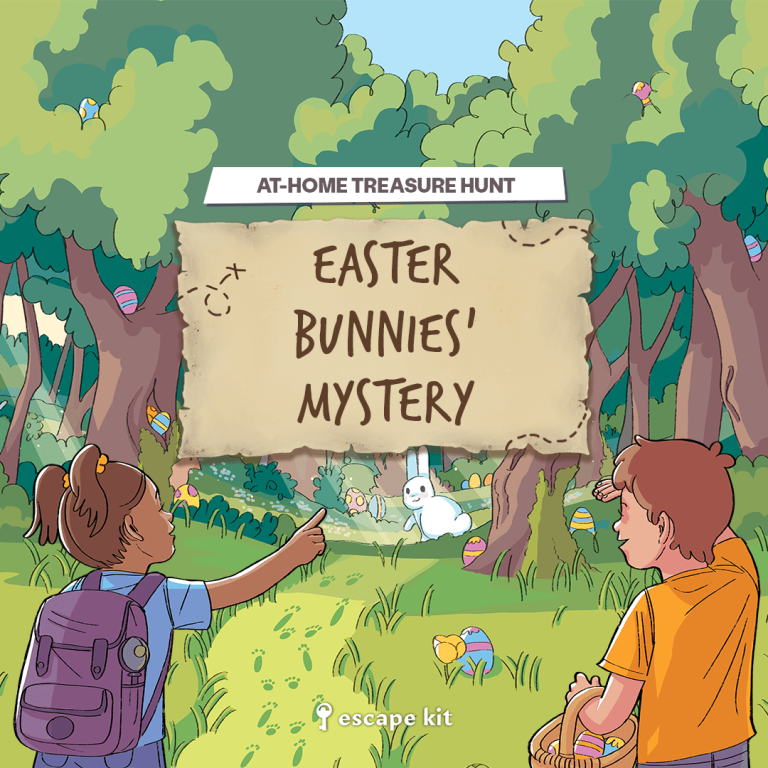 Easter Bunnies’ Mystery4-6 / 7-12 years oldSimple trail, two age versions included
Ages 6 to 11
The sweet spot. They can read a clue, work out what it means and run to the next place without help. This is where a treasure hunt really comes into its own, indoors or in the garden.
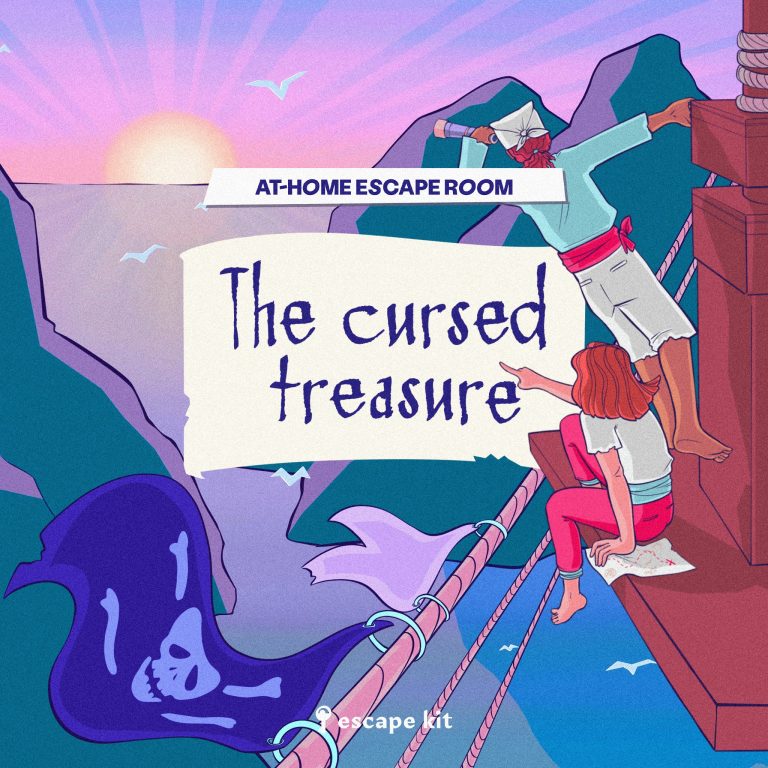 The cursed treasure8-14 years oldPirates, the classic, and it works outdoors
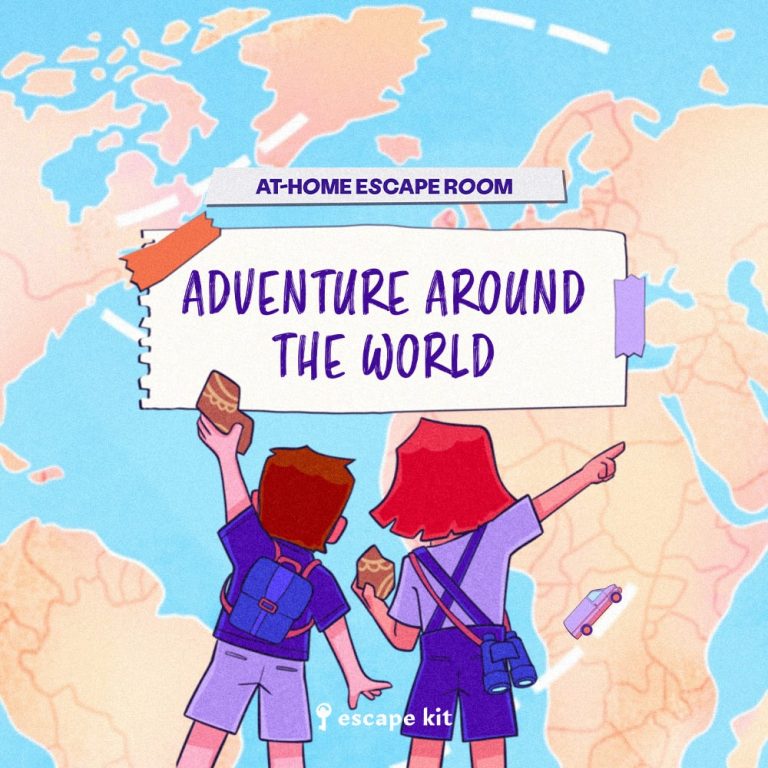 Adventure around the world6-10 years oldMaps and countries, ages 6 to 10
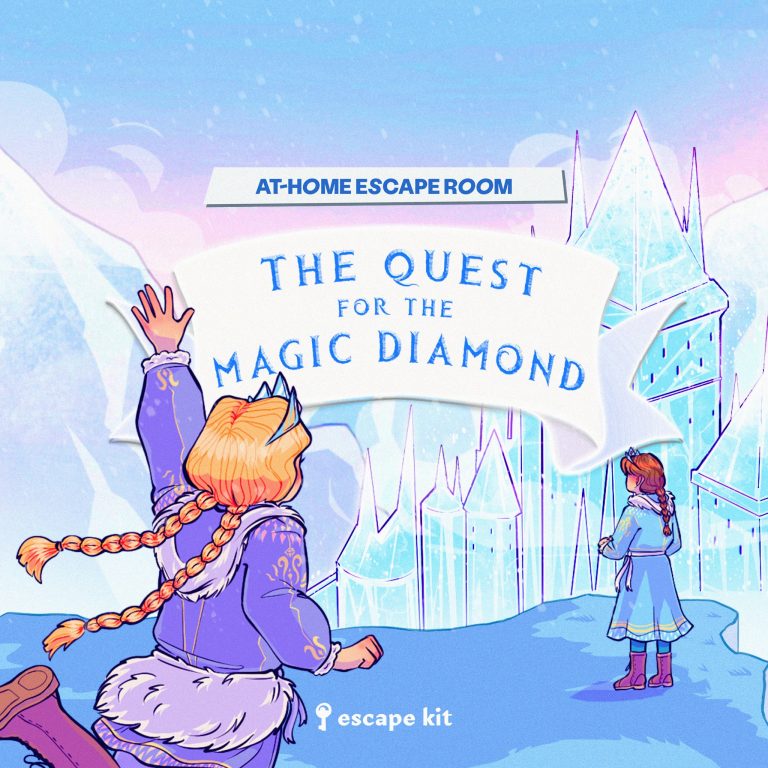 The quest for the magic diamond6-10 years oldA quest, ages 6 to 10
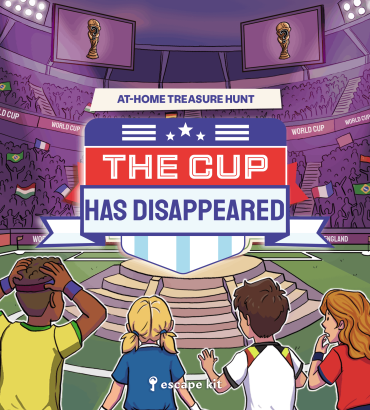
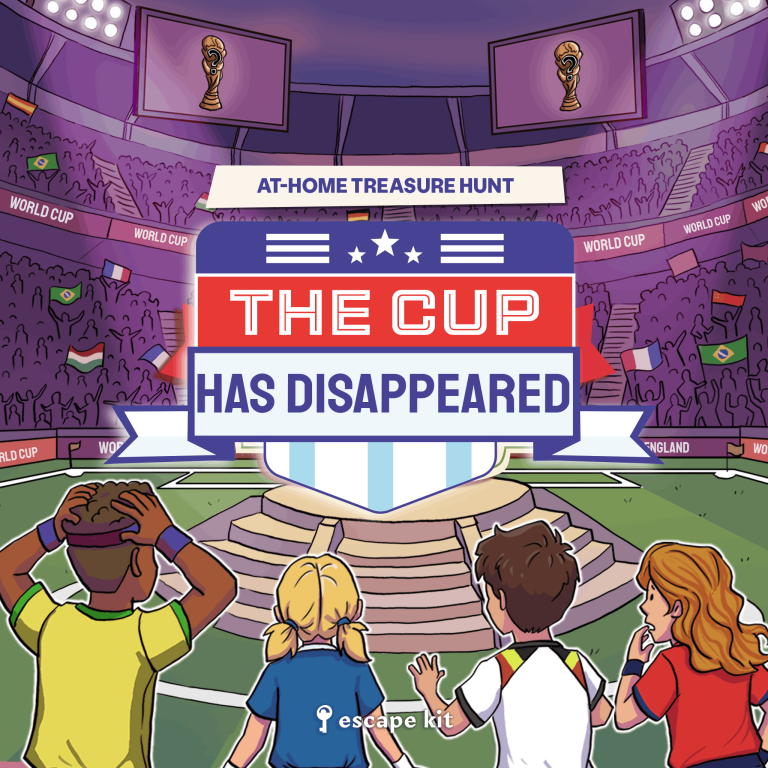 The World Cup Has Disappeared7-12 years oldFootball, reliable with a mixed group
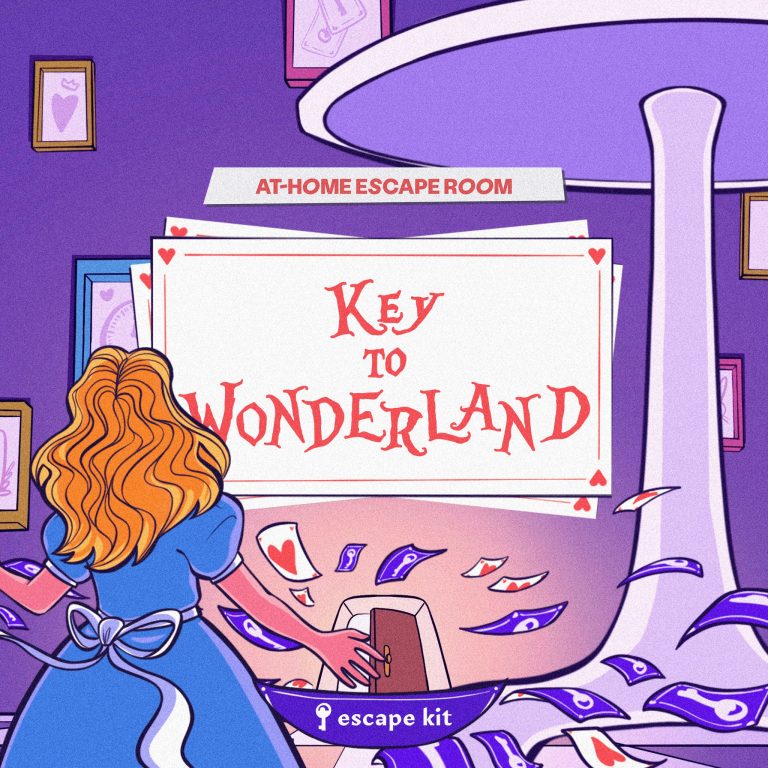 Key to Wonderland8-11 years oldWordplay and riddles, ages 8 to 11
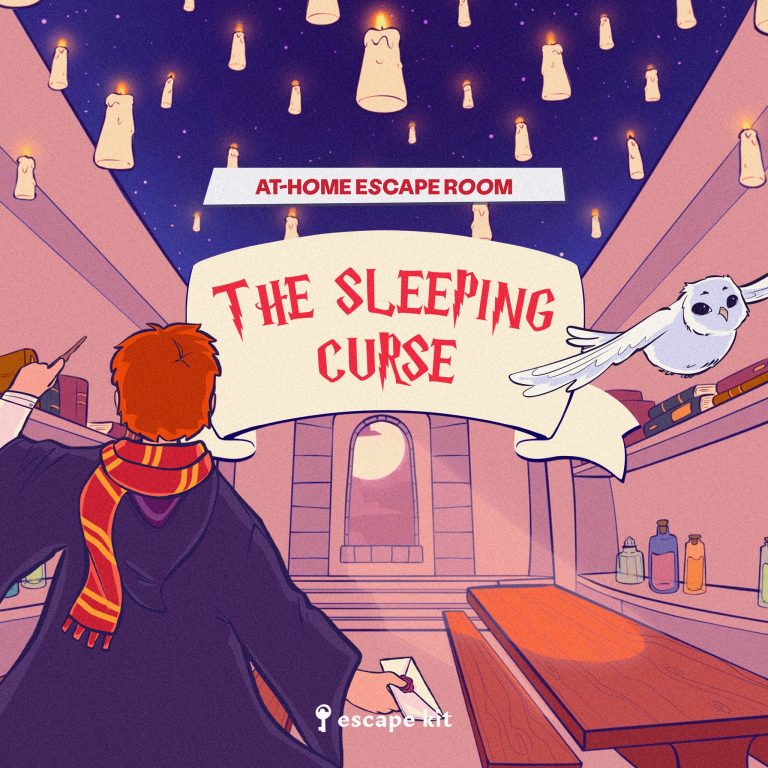 The sleeping curse6-10 years oldA spell to break, ages 6 to 10
Treasure hunts for adults
It works just as well at a birthday, a hen do or a garden party, on one condition: the clues have to be genuinely hard. An adult trail with children’s riddles is over in fifteen minutes and nobody enjoys it. Ciphers, wordplay and clues that need two people to crack are what make it worth doing.
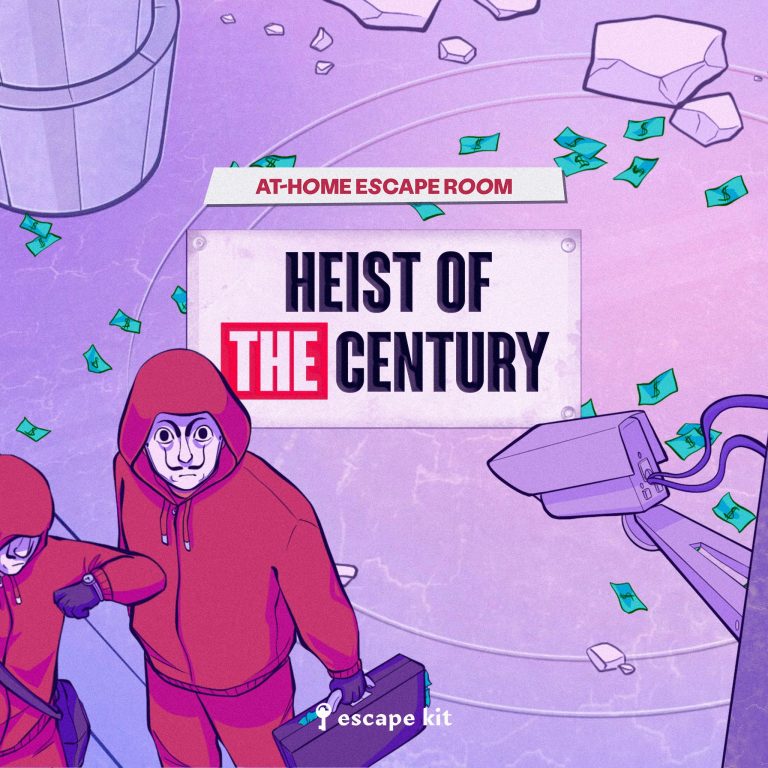 Heist of the century16 + years oldA bank job, 16 and up
 Arsène’s masterpiece14 + years oldAn art heist, 14 and up
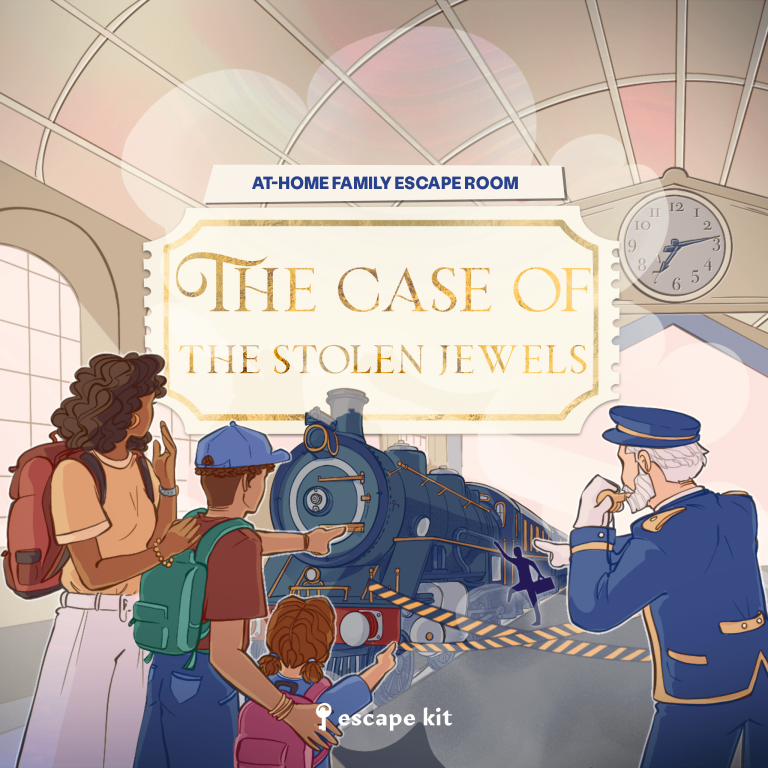 The case of the stolen jewelsFamilyA family format if the group is mixed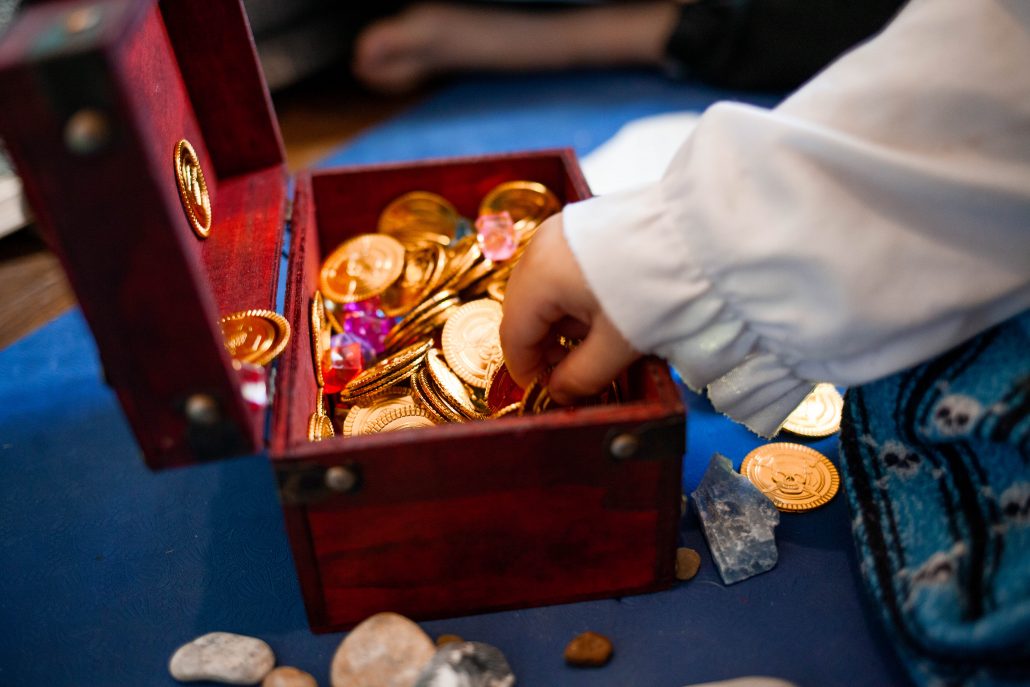
If you want to write the trail yourself, we have how to make a treasure hunt and 25 indoor scavenger hunt ideas with clues you can copy. For the rest of the party, see 20 birthday party ideas and the riddles with answers. Around Halloween, the Halloween treasure hunt is the one people print most.
The cursed treasure
Pirates, ages 8 to 14, and it works in the garden. The classic trail, and the one that survives a group of ten running in different directions.
Easter Rescue Mission
Two age versions in the same PDF, 4 to 6 and 7 to 12. Seasonal, but the trail works any time you need something the youngest can follow.
Setting up in thirty minutes
| Step | What you do | How long |
|---|---|---|
| 1. Print | One set of clue cards per team | 5 min |
| 2. Cut and fold | Cut the cards out, slide them into envelopes | 10 min |
| 3. Pick the places | Walk the route and choose each hiding spot | 5 min |
| 4. Hide | Place the envelopes in order, and note where they are | 10 min |
| 5. Set the prize | Put the treasure at the final spot | 2 min |
Write your route down
Hide seven envelopes and you will forget where the fourth one is. Keep the trail map in your pocket with the hiding places filled in, otherwise the hunt stalls and you are the only one who can unstick it.
Several teams at once
Above about eight children, split into teams and print the kit once per team. Send them off two minutes apart so they are not walking on top of each other, and let each team hide nothing, find everything.
| Children | Teams | Sets to print |
|---|---|---|
| Up to 8 | 1 team | 1 |
| 10 to 12 | 2 teams | 2 |
| 15 to 20 | 3 to 4 teams | 3 to 4 |
| A whole class | 6 teams | 6 |
The same logic applies to any large group, and there is more detail on running one at scale on the large groups page.
Three things that spoil a treasure hunt
Clues that are too vague. “Look where it is cold” could be the fridge, the freezer or the garden. One clue, one place, or children scatter and lose the thread.
Too many hiding places. Seven to ten is a hunt. Fifteen is a route march, and the last three get found by a group that stopped caring.
No adult on the trail. Someone has to know the route and nudge a stuck team. With children under seven, that person walks with them.
💡 The expert’s tip
Keep the trail map in your pocket with the hiding places written in. Hide seven envelopes and you will forget where the fourth one went, and then the only person who can unstick the hunt is the one who lost it.
Frequently asked questions
What is a treasure hunt kit?
A ready made trail supplied as a PDF: printable clue cards, a map showing where each clue goes, printable decoration and an audio track. You print it, hide the clues and the hunt is ready.
What age is a treasure hunt suitable for?
From three years old with picture clues and an adult reading aloud. Six to eleven is where it works best, and adult versions exist with genuinely hard clues. Every kit carries its own age rating.
How long does a treasure hunt take?
About 45 to 60 minutes of hunting for children aged six and up, and 30 minutes for the youngest. Add half an hour beforehand to print and hide everything.
Can you do a treasure hunt indoors?
Yes. Indoors suits up to about eight children and the hiding places are furniture, books and picture frames. Outdoors takes any group size but needs the clues weighed down against wind.
Choosing between two trails
Each product page lists the age rating, the number of clues and the playing time. When two appeal equally, pick the theme the birthday child already likes. That carries a hunt further than any clue design.
How many clues should a treasure hunt have?
Seven to ten hiding places. Fewer feels thin, more turns into a route march and the group loses interest before the end.
Can several teams hunt at the same time?
Yes. Print the kit once per team and send them off a couple of minutes apart so they are not queuing at the same hiding place. The price stays the same however many teams you run.
What should the treasure be?
Whatever suits the occasion: the cake, the party bags, chocolate coins, a small gift. Nothing in the kit depends on what is at the end, only that something is.
Clue cards laid out to print, a map telling you where each one goes, and a prize you choose yourself.
See the treasure hunts →
Who writes this page
Clément Pontegnier
Founder of Escape Kit
I have been writing printable treasure hunts and escape rooms since 2018. The trails get tested on real children first, which is how we found out that seven hiding places is a hunt and fifteen is a route march.